
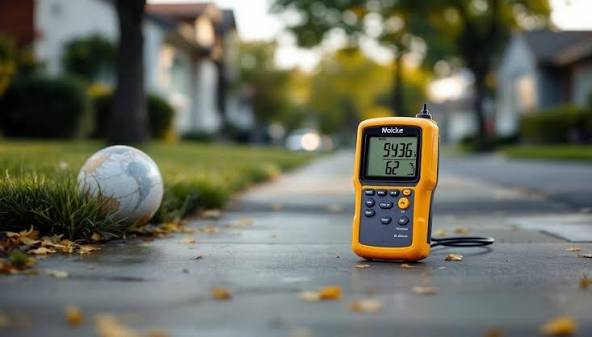
Noise pollution disputes can become difficult when the parties disagree about what happened, how long it lasted, or whether the sound exceeded an applicable rule. Before making a formal complaint, create an organized record showing the location, dates, times, duration, and character of the noise while checking the standards that apply in the relevant jurisdiction.
Noise Rules Are Often Local
There is no single noise limit that controls every property and activity in the United States. EPA explains that although federal law addresses certain noise matters, primary responsibility for noise control rests with state and local governments. US EPA
Local ordinances may treat construction, amplified music, commercial equipment, vehicles, animals, industrial activity, and residential disturbances differently. Rules may also change by zoning district or time of day.
That means a complaint should be grounded in the actual ordinance or permit condition rather than a personal assumption about what qualifies as excessive noise.
Create a Clear Incident Record
A simple written log can be more useful than a vague statement that noise happens “all the time.” Record when the sound begins, when it stops, where it appears to originate, and how frequently it occurs.
People researching complaint procedures may encounter online legal business resources while comparing general information. Those materials should not replace the local ordinance, enforcement policy, or advice from a professional familiar with the jurisdiction.
Photos or video can document circumstances, although recordings do not always reproduce sound levels accurately.
Understand What Measurements Actually Show
Some ordinances rely on measurable sound levels, while others prohibit particular conduct or disturbances. A phone application may provide a rough indication but should not automatically be treated as an official measurement.
| Record Type | What It Can Show | Limitation |
|---|---|---|
| Written log | Timing and frequency | Depends on accurate entries |
| Audio/video | Character of noise | May distort loudness |
| Meter reading | Sound level | Equipment quality matters |
| Witness statement | Independent observation | Can still be disputed |
Someone following community matters through a Glasgow regional publication may see examples of neighborhood disputes, yet enforcement standards must be taken from the authority responsible for the actual location.
Where formal measurements are required, officials or qualified acoustical professionals may use specified equipment and measurement procedures.
Check the Source Before Escalating
Identifying the source matters because different regulatory pathways may apply. Construction noise might be governed by permit hours, while an industrial facility could have operating conditions separate from a general nuisance ordinance.
Broad regional news material may help readers understand how community complaints develop, but it cannot establish whether a particular property is violating a local rule.
If practical and safe, an initial written communication may also resolve misunderstandings before formal enforcement becomes necessary.
Common Errors in Noise Complaints
One mistake is submitting dozens of emotional descriptions without dates or specific events. Enforcement staff usually need information that can be connected to a rule, location, source, and time.
Another is assuming that any annoying sound is automatically unlawful. Some activities may be allowed during certain hours, while others may be restricted by permits, zoning rules, lease terms, or specific noise provisions.
When Legal or Technical Help May Be Needed
Professional help may be appropriate when the dispute is persistent, measurements are contested, a business permit is involved, retaliation is alleged, enforcement has stalled, or litigation is being considered.
An attorney can explain available legal procedures, while an acoustical consultant may help with technical measurement issues. For community complaints, the relevant city or county code-enforcement office is often the best starting point for current local requirements.
Frequently Asked Questions
Are phone sound-meter apps enough to prove a violation?
Not necessarily. They can help document patterns, but official enforcement may require calibrated equipment, particular measurement locations, or procedures specified by local law.
How long should a noise log be kept?
There is no universal period. Keep accurate entries long enough to demonstrate the actual pattern and preserve relevant records until the complaint or dispute has been resolved.
Can nighttime noise have different rules?
Yes. Many local codes distinguish between daytime and nighttime activity, though the hours, limits, and exemptions vary by jurisdiction.
Build the Record Before Making the Claim
A strong noise complaint focuses on observable facts rather than frustration alone. Check the governing rule, identify the source, document specific incidents, preserve useful supporting material, and follow the responsible agency’s complaint process. If the dispute becomes technical or legally complicated, professional guidance can help clarify the next step.
This article provides general legal information and is not a substitute for advice from a qualified attorney or other appropriate professional.