
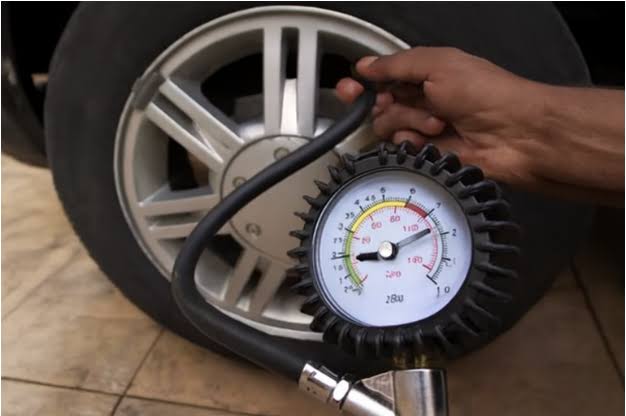
A spare tire can remain untouched for years, which is exactly why it deserves attention before a long drive. Tires naturally lose air over time, and a spare that’s badly underinflated may be almost useless when a puncture finally occurs. Checking the spare alongside the four road tires turns an easily forgotten component into dependable backup equipment.
Why Spare Tires Get Neglected
The regular tires are visible every day. The spare may be hidden beneath the cargo floor, mounted under the vehicle, or stored externally where drivers rarely inspect it.
That makes “out of sight, out of mind” the biggest problem. A spare can look unused while still losing pressure or aging.
Drivers following broader automotive maintenance guidance should treat the spare as part of routine tire care rather than equipment that matters only after a flat.
Different Spare Designs Need Different Attention
Vehicles may have full-size spares, compact temporary spares, or no spare tire at all. Some rely instead on tire repair kits or run-flat tire systems.
Read the owner’s manual so you know what your vehicle has before traveling. Discovering the setup for the first time beside a highway is far less convenient.
Check Pressure Before Departure
Use an accurate tire pressure gauge while the tire is cold and follow the pressure information supplied for the spare. Compact spares can require significantly different pressure from normal road tires, so don’t simply match the four main tires.
Vehicle shoppers researching models through automobile reference listings should remember that spare-tire equipment can differ by trim and model year. Verify the actual vehicle rather than relying on a general specification.
| Spare Check | What to Look For | Why It Matters |
|---|---|---|
| Air pressure | Correct cold pressure | Supports proper use |
| Sidewall | Cracks or damage | Reveals deterioration |
| Tread | Visible damage | Confirms usable condition |
| Tools | Jack and wheel wrench | Needed for installation |
Inspect More Than Air Pressure
Correct inflation isn’t the only requirement. Examine accessible surfaces for cracking, deformation, obvious damage, and unusual deterioration.
Check the mounting hardware as well. An underbody spare that’s difficult to lower because of corrosion or a missing tool may effectively be unavailable during an emergency.
Road-trip advice shared through digital outreach channels often concentrates on destinations and packing, but practical mechanical readiness can matter far more once you’re several miles from the nearest service facility.
Don’t Assume an Unused Spare Is New
Tire age continues even when a tire isn’t regularly driven. Heat, environmental exposure, storage position, and time can affect rubber components.
That means deep tread doesn’t automatically equal perfect condition. If you are unsure about the age or condition of an older spare, a tire professional can inspect it and explain whether replacement is appropriate.
Another mistake is forgetting restrictions on compact temporary spares. These tires are generally designed for limited temporary use rather than normal long-distance driving. Follow the vehicle and tire manufacturer’s instructions.
Practice Finding the Equipment
You don’t necessarily need to perform a complete wheel change before every trip, but you should know where the jack, wrench, tow point, spare-release tool, and locking-wheel-nut key are stored if your vehicle uses them.
Confirm that luggage won’t make the equipment impossible to reach. A spare hidden beneath a packed cargo area can create an inconvenient unloading job on the roadside.
Frequently Asked Questions
How often should spare tire pressure be checked?
Checking it during regular tire-pressure inspections is a sensible habit. At minimum, inspect it before longer journeys and whenever the main tires receive seasonal maintenance.
Can a spare tire lose air without being used?
Yes. Tires can gradually lose pressure during storage. Temperature changes and long periods between inspections make it especially important to measure pressure rather than judging the spare visually.
What if my vehicle doesn’t have a spare tire?
Learn what alternative equipment the manufacturer provides. That may include an inflator kit, sealant system, or run-flat tires. Roadside assistance can also be valuable when a damaged tire can’t be temporarily repaired.
Make the Spare Part of Your Routine
The spare tire isn’t useful simply because it’s present. It needs proper pressure, acceptable condition, accessible tools, and a driver who knows where the equipment is stored. Check those details before leaving on a long route, and you’ll avoid discovering a forgotten problem at the exact moment you need backup most.