
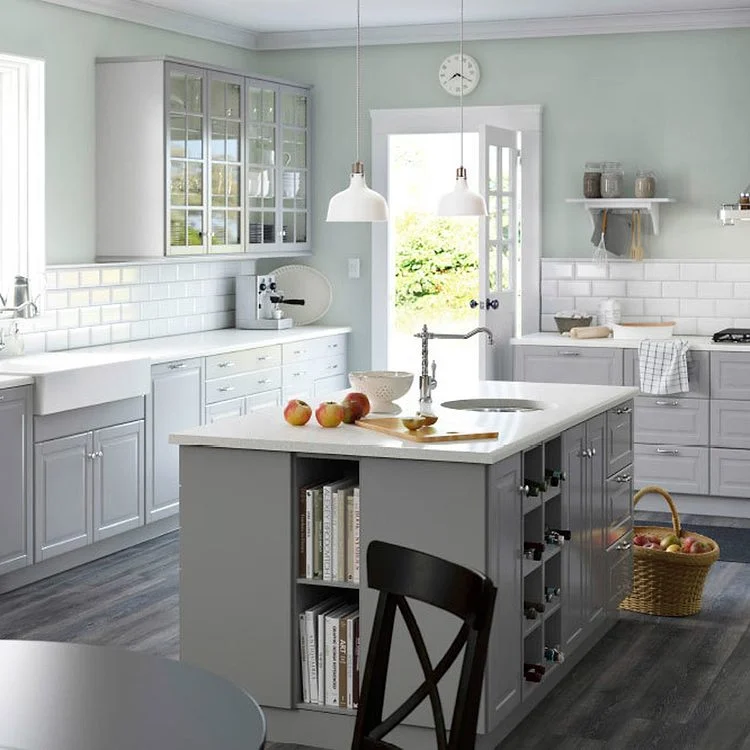
A kitchen island can add storage, seating, and prep space, but it becomes a problem when it interrupts movement. Crowded kitchen islands often feel inconvenient because stools, appliance doors, traffic paths, and work zones compete for the same floor area. The fix is usually not more decoration. It is better circulation.
Measure the Paths People Actually Use
Watch the kitchen during a normal meal. Notice routes between the refrigerator, sink, range, pantry, trash, and dining area. A gap may look generous when the room is empty but feel cramped once a dishwasher is open or a stool is pulled back.
Check the Island From Every Side
Open nearby doors and drawers, pull out the seating, and imagine two people passing at once. The most useful clearance is the one that still works during real use.
Reduce Seating That Blocks the Aisle
Too many stools can make an island look functional while shrinking the room. If seating extends into a major traffic path, remove one seat or choose stools that tuck fully underneath.
People browsing interior planning ideas may see oversized seating arrangements, but a smaller setup often works better in a compact kitchen. Comfort matters more than filling every inch.
Move Landing Zones Away From Traffic
Keys, bags, mail, groceries, and small appliances often collect on islands because the surface is convenient. That can force food preparation into smaller areas and make people stop in the busiest part of the room.
Use a nearby shelf, drop zone, or cabinet for non-cooking items. General home organization topics can inspire storage ideas, but the goal is to keep the island available for its main tasks.
| Movement Problem | Likely Cause | Practical Fix |
|---|---|---|
| Stools block walking | Too much seating | Remove or downsize seats |
| Appliance doors collide | Tight clearance | Rework nearby storage |
| People stop at island edge | Drop-zone clutter | Relocate daily items |
| Prep feels cramped | Too many functions | Simplify island use |
Give the Island Fewer Jobs
An island that tries to be a breakfast bar, prep station, homework desk, storage wall, and social hub can become crowded even in a large room. Choose the functions that matter most.
For broader kitchen design reading, compare layouts without copying every feature. Fewer functions often create better movement and cleaner work surfaces.
Common Layout Mistakes to Avoid
One mistake is judging the island only by how it looks in photographs. Real kitchens involve open doors, hot pans, grocery bags, pets, and more than one person moving at once.
Another is assuming a larger island is automatically more useful. If enlarging it squeezes the working aisle, the extra surface may cost more convenience than it adds. In some rooms, a smaller island or movable cart works better.
Test Changes Before Remodeling
Use painter’s tape, cardboard, or movable furniture to mark a smaller island footprint or different seating arrangement. Then test it during cooking, unloading groceries, and cleaning.
This low-cost trial can reveal whether the real problem is island size, stool placement, clutter, or traffic direction before you pay for cabinetry or countertop work.
Frequently Asked Questions
How do I know if my kitchen island is too crowded?
If people regularly turn sideways to pass, chairs block main routes, or open appliance doors stop movement, the island may be taking too much working space. Judge it during actual use rather than while empty.
Should I remove seating from a crowded kitchen island?
Removing one or more stools can help when seating projects into traffic. You may keep the island’s storage and prep value while freeing the aisle.
Can a smaller island make a kitchen more functional?
Yes. A smaller island can improve circulation, reduce collisions, and make surrounding cabinets easier to use. The lost countertop area may be worth it if the room becomes easier to cook in.
Make Movement the Design Test
A good island should support the kitchen rather than dominate it. Clear the busiest routes, reduce seating that interferes with walking, and give the island fewer jobs if needed. Before making permanent changes, test a smaller footprint in real life. The best layout is the one that makes cooking, cleaning, and passing through the room easier.