
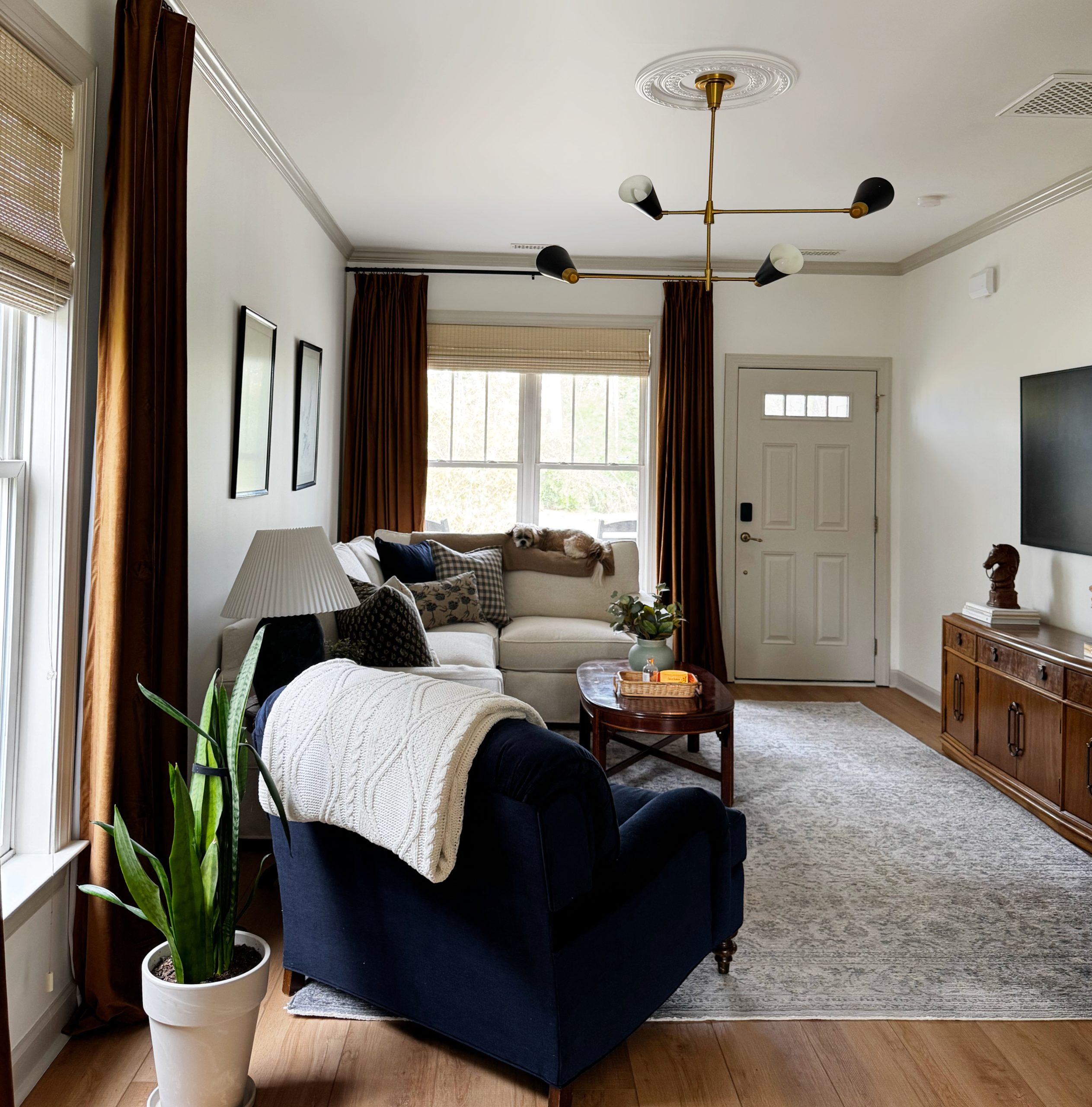
A room can feel flat even when the furniture is functional and everything is tidy. The fix doesn’t always require new flooring, expensive furniture, or a full renovation. Small changes to lighting, texture, arrangement, artwork, and color can give a dull living space far more personality while keeping spending controlled.
Rearrange Before You Buy Anything
Furniture placement can change how a room feels without costing a dollar. Pull seating slightly away from walls, improve conversation areas, or move a side table somewhere it can actually serve a chair.
Try editing the room as well. If you’re gathering ideas through broader lifestyle browsing, remember that adding more isn’t always the answer. Removing one awkward piece can make the remaining furniture feel more intentional.
Give the Room a Clear Focal Point
A focal point gives your eye somewhere to land. It could be a fireplace, artwork, a window, shelving, or even a simple console styled with a lamp and a few meaningful objects.
Without one, individually attractive items can still feel disconnected.
Use Texture to Make Simple Rooms Feel Richer
Texture is especially useful in rooms dominated by neutral colors. A woven throw, linen-look curtain, textured cushion, wood bowl, ceramic vase, or natural-fiber basket can create contrast without forcing you to redesign the whole color scheme.
People collecting ideas from general digital inspiration can easily end up buying too much. Choose two or three textures that work with what you already own instead.
| Low-Cost Change | What It Adds | Easy Starting Point |
|---|---|---|
| Throw pillows | Color and softness | Sofa or chair |
| Table lamp | Warm layered light | Dark corner |
| Artwork | Personality | Empty wall |
| Basket | Texture and storage | Floor or shelf |
Fix the Lighting Before Blaming the Decor
One overhead fixture often makes a living room feel functional but lifeless. Adding a floor lamp or table lamp at a lower height creates another layer of light and can make the room feel more comfortable after dark.
Before purchasing several decorative objects, experiment with bulbs and lamp placement. Broader online reading material can keep new ideas coming, but a single well-positioned lamp may change the atmosphere more than another shelf of accessories.
Add Personality Through Things That Mean Something
Character doesn’t have to come from designer decor. Framed photographs, books you’ve actually read, travel objects, inherited pieces, handmade ceramics, or artwork from a local market can make a room feel specific to the people living there.
Rotate objects rather than displaying everything simultaneously. Leaving some negative space helps meaningful pieces stand out instead of disappearing into visual clutter.
Where Budget Decorating Often Goes Wrong
Buying many inexpensive accessories can eventually cost more than purchasing one or two pieces that solve the real problem. Small items also create clutter quickly when they don’t share a visual relationship.
Another mistake is copying a photograph too literally. Inspiration rooms are staged for a particular layout, light level, and camera angle. Your space needs to work for your daily routines first.
Frequently Asked Questions
What is the cheapest way to make a living room look better?
Begin with rearranging furniture, removing clutter, improving lamp placement, and restyling items you already own. These changes can reveal what the room genuinely lacks before you spend money.
How can I add color without painting the walls?
Introduce color through cushions, throws, artwork, books, ceramics, lampshades, or a small rug. Repeating a color in two or three places usually feels more intentional than adding unrelated bright objects.
Does every living room need a decorating theme?
No. A consistent theme isn’t required. Rooms often feel more natural when materials, colors, and proportions relate to one another even if the individual pieces come from different styles or periods.
Spend Where the Room Actually Needs It
Don’t treat a dull room as a shopping emergency. Move what you own, improve the lighting, remove objects that add noise, and identify the one or two places where personality is missing. A modest budget goes further when each purchase solves a specific visual or practical problem instead of becoming another object that needs somewhere to sit.