
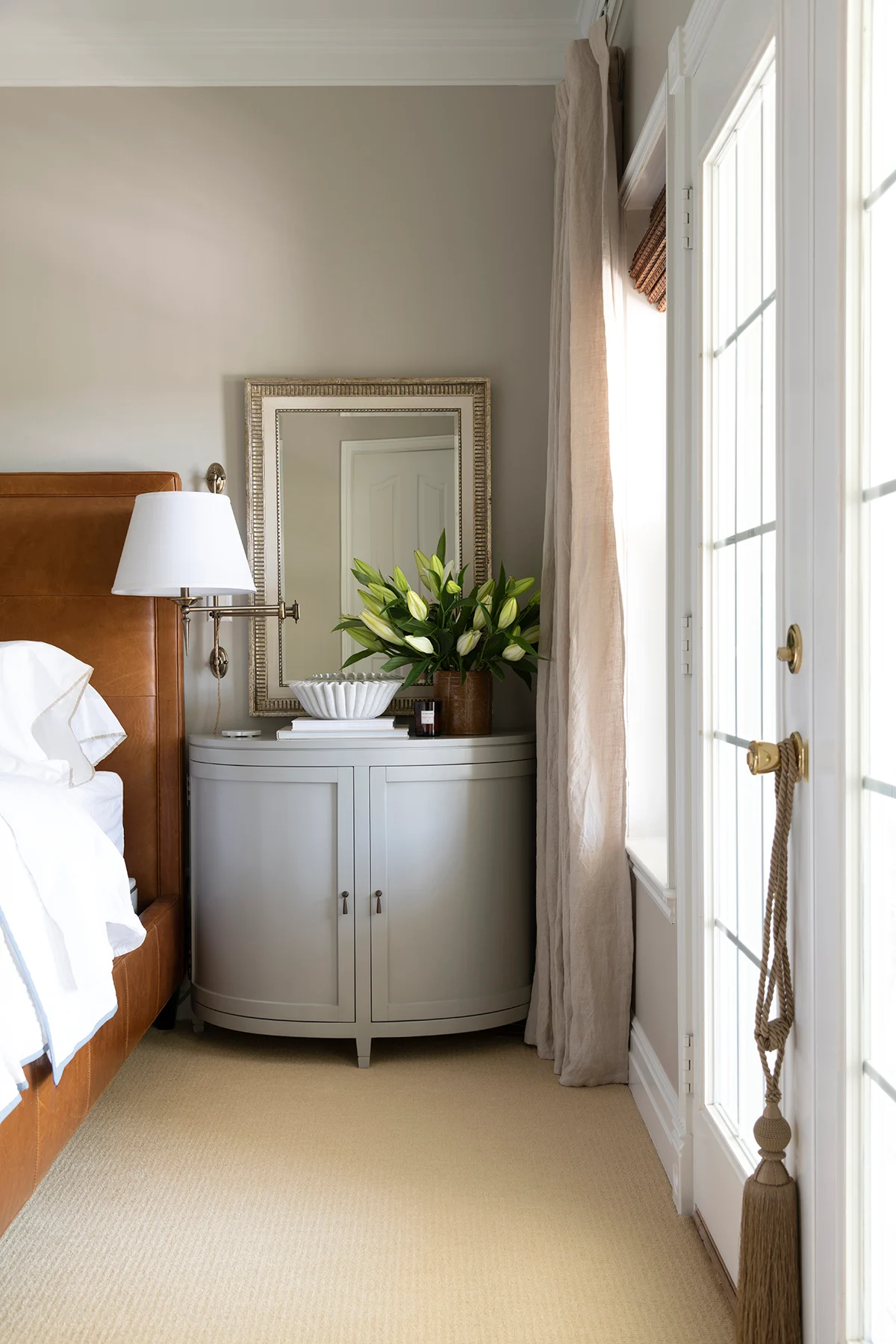
A bedroom can start feeling tired even when the furniture is still perfectly usable. The problem is often repetition rather than age: the same bedding, lighting, wall arrangement, and color balance have been sitting together for too long. Refreshing dull bedroom decor usually requires changing what your eye notices first, not replacing every major item in the room.
Find the Part That Makes the Room Feel Flat
Stand at the doorway and notice what dominates your first glance. It might be a blank wall, mismatched bedding, harsh lighting, cluttered surfaces, or furniture that visually blends into the background.
Browsing interior inspiration topics can help generate ideas, but avoid buying several decorative pieces before identifying the actual problem. Otherwise, new objects may simply add more visual noise.
Change the Visual Center
Most bedrooms benefit from one obvious focal area. The bed is the easiest candidate because it already occupies significant visual space.
Fresh pillow covers, a textured throw, a different duvet arrangement, or artwork above the headboard can change the room’s character without replacing the bed frame itself.
Use Textiles for the Fastest Visible Change
Fabric covers large surfaces, which makes it unusually powerful for low-cost updates. Bedding, curtains, rugs, cushions, and throws can introduce contrast without permanent renovation.
People collecting creative home ideas may be tempted to layer every trend together. A cleaner approach is to choose one direction—warmer, calmer, brighter, softer, or more structured—and let the textiles support it.
| Area | Simple Refresh | Possible Effect |
|---|---|---|
| Bed | New cover or throw | Creates a focal point |
| Windows | Updated curtains | Changes light and softness |
| Floor | Small rug | Adds texture |
| Pillows | New covers | Introduces accent tones |
Changing covers instead of entire cushions is another practical way to update color while storing fewer bulky items.
Improve the Lighting Before Buying More Decor
Poor lighting can make even attractive furniture look lifeless. A single bright ceiling fixture often creates a flat room because every surface receives similar illumination.
Explore everyday design reading for inspiration, then look at what your specific room lacks. A bedside lamp can create a softer evening zone, while a brighter task light may improve a desk or dressing area.
Lamp position matters as much as the fixture itself. Moving an existing light can sometimes improve shadows, highlight artwork, or make a forgotten corner feel intentional.
Restyle What You Already Own
Move artwork between rooms before buying new prints. Shift a small chair, swap bedside accessories, group books more deliberately, or remove several objects from a crowded dresser.
A room often looks newer after subtraction. Clearing one surface can give existing decor enough space to become noticeable again.
Try rotating decorative pieces seasonally rather than displaying everything at once. Items stored for a few months often feel surprisingly fresh when brought back.
Where Budget Bedroom Refreshes Go Wrong
Buying many small decorations can cost more than making one meaningful change. Ten inexpensive accessories rarely improve a room if the lighting, bedding, or layout still feels unresolved.
Another common problem is copying a color trend without considering permanent elements. Flooring, wardrobes, wall color, and large furniture already create a palette. New accents usually look more connected when they respond to those existing tones instead of competing with them.
Frequently Asked Questions
How can I update a bedroom without buying furniture?
Start with bedding, lighting, wall art, curtains, furniture placement, and surface clutter. These areas strongly influence how the room looks and can often be changed without replacing large or expensive pieces.
What is the cheapest way to make a bedroom look different?
Rearranging furniture and removing clutter cost nothing. After that, changing pillow covers, a throw, artwork placement, or lamp position can create noticeable visual change with relatively little spending.
Should all bedroom decor use the same color?
No. Rooms usually benefit from some variation. A simple base palette with one or two supporting accent tones can feel more natural than matching every decorative item to one exact color.
Refresh the Room in Layers
Don’t shop for an entirely new bedroom when the room may only need a new visual hierarchy. Start with the bed, improve the lighting, clear crowded surfaces, and reposition pieces you already own. Add new items only after those changes reveal what is actually missing. A thoughtful refresh can make familiar furniture feel intentional again rather than outdated.
 nDir
nDir
 TomEditor