
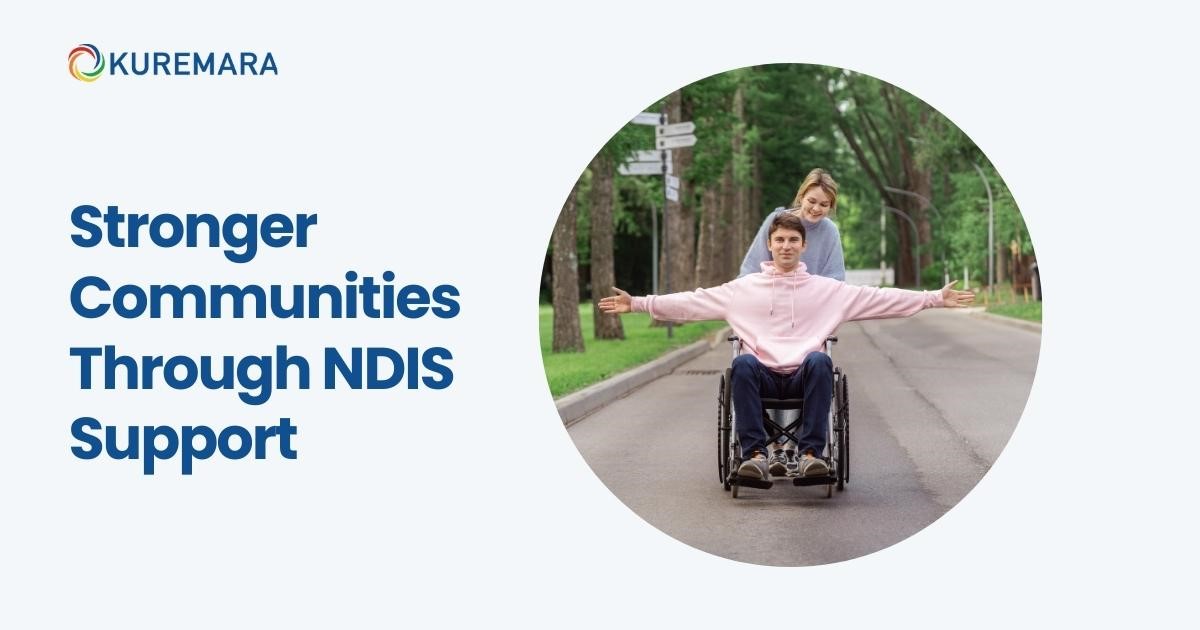
Living with a disability can often feel daunting when the right support systems aren’t in place. The National Disability Insurance Scheme (NDIS) helps people with disabilities navigate the NDIS and access the support services they require to lead a more independent and fulfilling life. The NDIS provides funding, but it also promotes community inclusion, empowerment, and meaningful participation in community life.
In this blog, we will explore the important role of NDIS support, what services are available, and how participants and their families can access fully funded support through the NDIS.
Understanding the Role of NDIS
The purpose of the NDIS is to give people with disabilities greater choice, control, and access. The NDIS funds different types of support services and assists participants to access those services with the intention of helping participants achieve their goals, be it improved daily function, community participation, employment, or independence at home.
Some of the key principles of the NDIS are:
- Individualised plans: Concise and tailored plans for individual participants needs and goals.
- Flexibility: Choice of providers and supports.
- Community integration: Encouragement of inclusion and participation in local life.
The Importance of Local NDIS Services
While the NDIS national program aims to provide services nationally, the quality of support they provide will ultimately depend on local providers. Providers who are local can effectively deliver services in a more timely fashion, have knowledge of local community resources, and can build stronger consistent relationships between the participant and the provider.
For example, people in ndis Parramatta can access support that is specifically geared towards the Western Sydney communities providing both access and cultural competency. We wanted to give a brief overview of what types of support are available to participants, as NDIS funding is provided for a range of supports to make day-to-day life easier and more connected.
Types of Support Available
There are 3 main categories of supports:
1. Core Supports
- General daily living (eg, help with cooking, cleaning, personal care)
- Transport to medical appointments, work, or community events
- Daily consumables (e.g., continence aids or low-cost equipment)
2. Capital Supports
- Equipment, technology, and home or vehicle modifications
- One-off major investments to enhance independence
3. Capacity Building Supports
- Therapies for life skill development and improvement of communication and mobility
- Education and training opportunities for employment
- Programs for social and community participation
Making the Most of Your NDIS Plan
In order to maximise your NDIS plan it is important to undertake some active planning, be aware of your involvement, and have regular communication with your support provider.
Here are some items to consider.
- Understand what you want to achieve: It is important to consider your short and long term goals.
- Stay in contact with your support co-ordinator: They can assist you with the plan, and manage and adjust changes.
- It is worth regularly checking progress: Consider what is going well and if anything needs to be improved upon.
- Choose providers that meet your needs: Look for providers who fit into these goals.
Addressing Common Problems
Like any system, the NDIS has challenges. A participant may experience delays, some confusion about funding categories, or not being able to find suitable service providers.
Some of the common problems are as follows:
- Not sure what supports are “reasonable and necessary.”
- The inconsistency in quality of providers in different areas.
- Navigating the planning and review process is difficult.
Helpful strategies for addressing these challenges include:
- Getting help with a support coordinator who has lots of experience.
- Continually learning about the NDIS through workshops, community groups, and online resources.
- Being proactive with questions or to request changes, when needed.
The Impact of NDIS in Local Communities
Ultimately, the NDIS is not only focused on the individual but also strengthening communities. By providing funding to inclusive programs and facilitating people with disabilities to participate to their full potential, places little ripples in the wider pool of the community.
For example:
- Families feel assured that their family member is being supported.
- Local businesses and service providers have increased demand with employment opportunities.
- Schools, workplaces, and recreation facilities can be more inclusive.
In specific areas, such ndis Penrith, the NDIS has leveraged resources to help participants access community programs that are tailored and provide connection, inclusion, and independence.
The Role Family Plays
Families and carers are a key component of the NDIS journey. Their presence can ensure participants feel supported with safety and motivation.
Ways Families can contribute:
- Attending planning meetings and advocating for the participant’s needs.
- Assisting with the daily organisation of services and supports.
- Providing support and sharing in the moments of achievement.
- Keeping up to date with NDIS changes that may indirectly affect the plan.
Building The Future Of Inclusion
Ultimately, the NDIS is more than just a funding scheme, it is a shift towards opportunity and equality for individuals living with disability. With more resources, more personalised supports, and more inclusive communities individuals living with disabilities can flourish.
Together, participants, families, providers, and communities can make the vision for an Australia where everyone is able to live their best life, a reality.
Looking Ahead: The Next Stage of NDIS
As the scheme continues its evolvement, the future of the scheme depends on:
- Investment and ongoing government improvements to service delivery.
- Continued partnership among health professionals, community groups and organizations, and disability advocates.
- Improved Committee systems that are more functional to help participants manage their plans.
- Improved awareness of participant rights and responsibilities.
The vision is simple: a system that is more transparent, efficient and empowering to all participants.
A Final Thought
The NDIS experience is not just about obtaining funding but living a life of dignity, purpose and opportunity. Whether it is learning a skill, joining a community program or being more independent at home, every small victory is an achievement worth celebrating.
When families, participants and providers come together with common commitment the NDIS becomes an avenue for not just policy improvement but inclusion and hope for future generations.
