
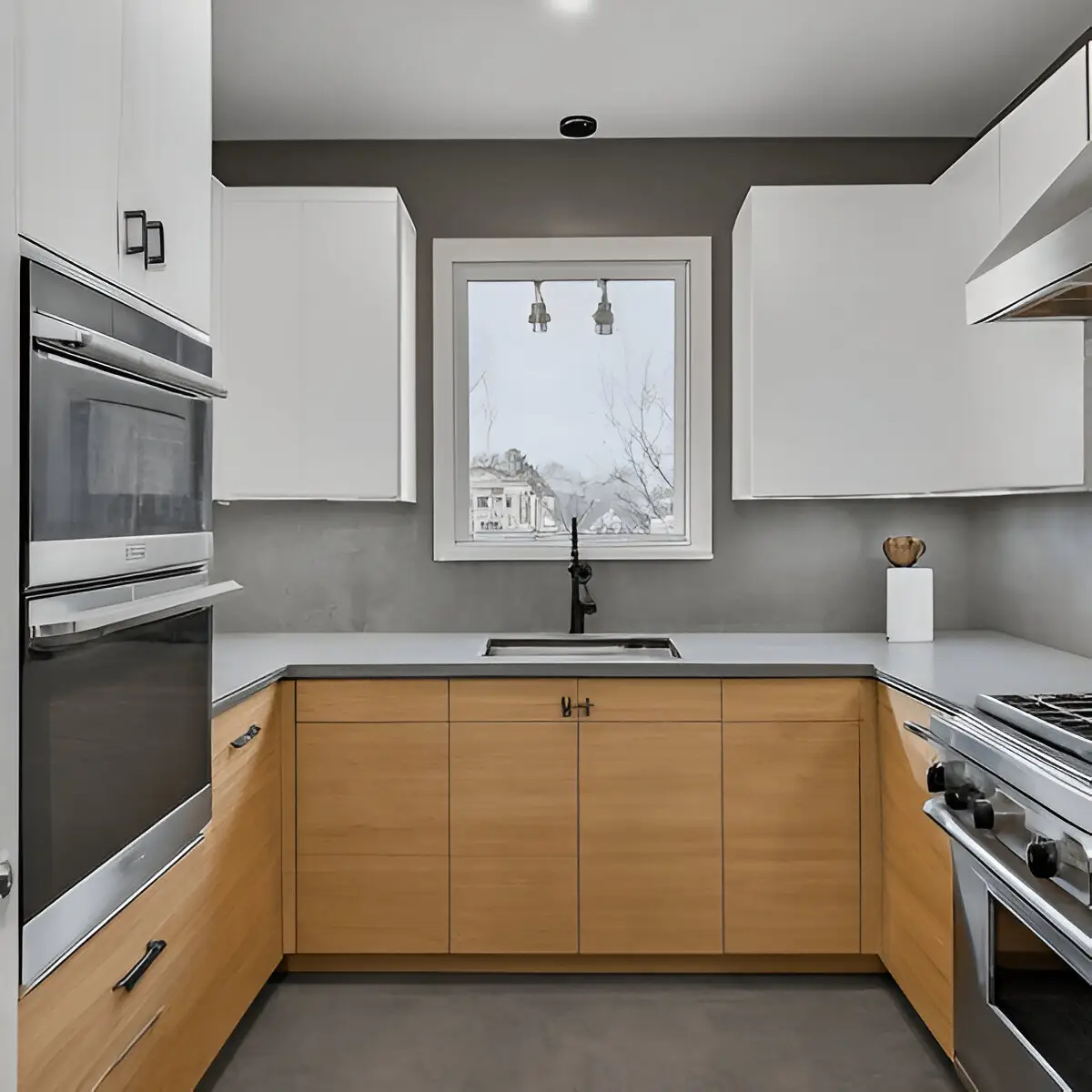
Small kitchen cabinets often feel full long before they are actually using their available space well. The problem is usually not the cabinet footprint alone. Deep shelves, unused vertical gaps, awkward corners, stacked cookware, and poorly grouped supplies can waste a surprising amount of room. Better organizers help turn those difficult spaces into storage you can reach without emptying half the cabinet first.
Start by Fixing Access Problems
Before buying organizers, identify what makes each cabinet frustrating. A deep lower cabinet may hide items at the back, while an upper cabinet may waste several inches above short mugs or bowls.
Looking through general home-related reading may provide plenty of visual inspiration, but measure the cabinet before purchasing anything. Record the usable width, depth, and height while accounting for hinges, pipes, shelf supports, and door frames.
The best organizer is one that solves the cabinet’s specific access problem.
Use Vertical Space That Shelves Miss
Shelf risers are useful when short dishes or pantry items leave empty air above them. Instead of stacking everything into a tall unstable pile, a riser creates a second usable level.
Ideas found through broader digital resources can help you think beyond standard shelves, but simple solutions often work best. Stackable bins, under-shelf baskets, and adjustable shelf inserts can divide tall spaces without permanent remodeling.
Keep frequently used items at the easiest height. Storage capacity means little if retrieving one bowl requires moving six other objects.
Make Deep Cabinets Pull Toward You
Depth becomes useful only when you can reach it. Sliding baskets, pull-out trays, and handled bins allow several items to move forward together rather than disappearing behind the front row.
People exploring general home improvement reading may notice elaborate cabinet systems, but even inexpensive removable bins can improve a deep shelf. Group similar items so the entire category can be pulled out at once.
| Cabinet Problem | Organizer Idea | Main Benefit |
|---|---|---|
| Tall empty space | Shelf riser | Adds another level |
| Deep lower shelf | Pull-out bin | Improves rear access |
| Loose pan lids | Vertical divider | Prevents stacking |
| Small packets | Labeled container | Keeps items grouped |
Give Awkward Items Dedicated Storage
Pans, cutting boards, lids, baking sheets, and trays often consume more space when stacked flat. Vertical dividers let these items stand upright so one piece can be removed without disturbing the rest.
Small containers also help with packets, baking supplies, reusable food-storage pieces, and other items that spread across a shelf. Avoid creating overly specific categories, though. Ten tiny bins can waste more space than three well-sized ones.
The goal is controlled grouping, not filling the cabinet with plastic.
Common Storage Mistakes That Reduce Capacity
Buying organizers before decluttering is one of the easiest ways to spend money without gaining space. Broken containers, duplicate utensils, expired pantry goods, and rarely used gadgets still consume cabinet volume even when neatly arranged.
Another mistake is maximizing density so aggressively that nothing is convenient to retrieve. A cabinet packed to its physical limit can perform worse than one with a little empty space. Good storage leaves enough clearance to see, lift, slide, and return items without creating a daily puzzle.
Frequently Asked Questions
What is the best organizer for deep kitchen cabinets?
Pull-out trays, sliding baskets, or handled bins are usually practical because they bring items at the back forward. Choose a design that fits around hinges, plumbing, and cabinet-door openings.
How can I organize cabinets without drilling holes?
Freestanding shelf risers, tension dividers, removable bins, turntables, and stackable organizers can improve storage without permanent installation. Check stability before placing heavy cookware on removable products.
Should cabinet organizers all match?
Matching organizers can look tidy, but identical containers are not necessary. Function matters more. Different cabinet shapes often require different solutions, so choosing organizers according to dimensions and contents usually wastes less space.
Make Every Cabinet Easier to Use
The smartest small-kitchen storage improvement is not squeezing in the maximum number of objects. It is making useful items easier to see, reach, and return. Measure first, group similar things, reclaim vertical space, and use pull-out solutions where depth causes problems. A cabinet that works smoothly every day is more valuable than one that is simply packed full.