
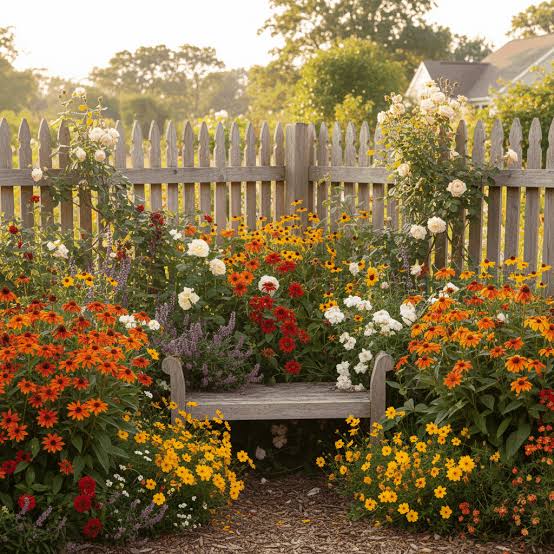
An overgrown corner can make an otherwise tidy garden feel smaller and harder to manage. Fortunately, reclaiming the space doesn’t require stripping everything out or paying for a complete landscape redesign. Selective pruning, weed removal, clearer boundaries, and one practical new purpose can transform a neglected area with relatively little disruption.
The key is deciding what deserves to stay before reaching for cutting tools.
Work Out What Is Actually Growing There
Dense corners often contain a mixture of useful shrubs, self-seeded plants, weeds, climbers, dead stems, and plants that have simply outgrown their original space.
Browsing garden-friendly home ideas may provide visual inspiration, but begin by identifying established plants so you don’t remove something worth keeping.
Cut obviously dead growth first. Once that material is gone, the shape and condition of the surviving plants become much easier to assess.
Remove Growth in Stages
Clearing everything in one session can leave an unexpectedly bare area. Work from the outside inward so you can stop once enough usable space has returned.
Open Up the Ground Layer
Fallen branches, weeds, old pots, broken edging, and accumulated leaves can hide a surprising amount of usable ground.
People exploring everyday home projects often discover that organization matters as much outdoors as it does indoors. Separating garden waste, reusable containers, tools, and materials prevents the reclaimed corner from becoming another storage pile.
Once the soil is visible, check whether it is compacted, waterlogged, dry, or heavily rooted.
Give the Corner One Clear Purpose
A recovered space becomes easier to maintain when it has a defined job. It might become a small seating area, shade planting zone, compost location, herb bed, storage spot, or simply an open mulched section.
Broader home and garden inspiration can help with layout ideas, but don’t force furniture or planting into a corner that doesn’t suit it. Observe sunlight, drainage, and access first.
| Corner Condition | Simple Direction | Maintenance Need |
|---|---|---|
| Deep shade | Shade-tolerant planting | Moderate |
| Dry soil | Mulch and hardy plants | Low |
| Damp ground | Improve drainage | Moderate |
| Limited access | Simple open space | Low |
Create a Clean Edge
One defined border can make the reclaimed area feel intentional even before new planting begins. Straight or gently curved edging separates beds from lawn and reduces future spreading.
Mulch can suppress new weeds and visually simplify the space. Keep it away from direct contact with woody stems and trunks, where excessive moisture can create problems.
For a corner beside a fence, leave enough room to inspect and maintain the fence rather than packing plants tightly against it.
What Often Goes Wrong During Garden Clearing
Cutting shrubs too aggressively is one of the easiest mistakes to make. Some plants tolerate hard pruning, while others respond poorly or should be cut at particular times.
Another error is covering persistent weeds with a thin layer of mulch and expecting them to disappear. Established roots may return quickly. Removing as much root material as practical before mulching reduces repeated work later.
Frequently Asked Questions
How can I clear an overgrown corner cheaply?
Start with pruning, hand weeding, removing debris, and reusing existing edging or containers. Large structural changes are often unnecessary.
Should I remove every plant from an overgrown garden area?
No. Healthy established shrubs or useful ground cover may be worth retaining. Identify plants first and remove only what conflicts with the new plan.
What can I put in a shaded garden corner?
Depending on conditions, shade-tolerant plants, a bench, mulch, decorative containers, or a simple storage solution may work better than sun-loving planting.
Make the Space Easy to Maintain
A reclaimed garden corner should reduce work rather than create another demanding feature. Keep healthy plants, remove invasive or unwanted growth, establish a clear edge, and choose a purpose suited to the available light and moisture. A modest, maintainable corner often improves the garden more successfully than an ambitious redesign that quickly becomes overgrown again.