
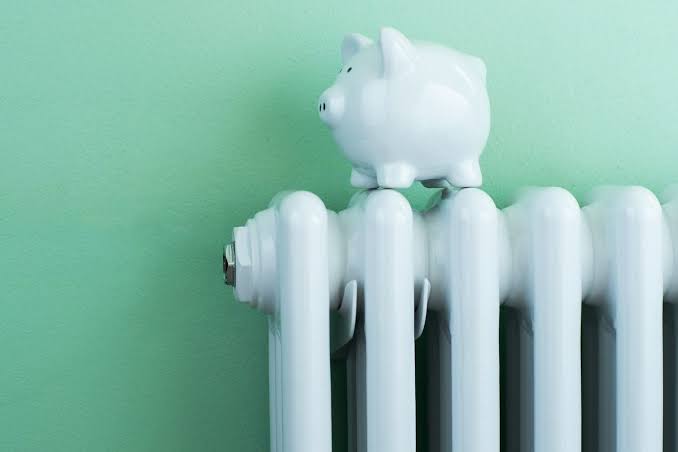
Heating costs can rise quickly in cold weather, but comfort does not require heating every room the same way at every hour. Small habits—such as managing drafts, using programmable controls thoughtfully, and keeping airflow clear—can complement maintenance and building improvements. The best strategy reflects the home, occupants, climate, and heating system.
Resources to Compare Heating-Saving Approaches
1. U.S. Department of Energy Energy Saver
Energy Saver provides federal consumer information about heating, cooling, insulation, and other ways to save energy at home.
2. ENERGY STAR
ENERGY STAR offers home efficiency guidance and information about products and upgrades that may reduce energy use.
3. The Home Depot
The Home Depot carries weatherstripping, programmable controls, insulation, filters, and home-maintenance materials.
4. Lowe’s
Lowe’s sells weatherization supplies, heating accessories, insulation, and smart-home products. Verify compatibility for system-specific items.
5. Ace Hardware
Ace Hardware provides basic weatherization and repair supplies through local stores. It can be useful for small seasonal maintenance purchases.
Focus on Comfort at the Right Times
Use thermostat schedules that fit when people are actually home and awake, while staying mindful of risks such as freezing conditions in vulnerable areas. Keep furniture away from vents and radiators, close obvious gaps, and maintain heating equipment as recommended. Avoid using unsafe or unvented devices indoors for supplemental heat.
For a warm but uncluttered room plan, explore functional home comfort guidance. Use cozy living room inspiration to add soft layers that support daily comfort.
For practical seasonal updates around windows and seating, browse useful home styling ideas.
Frequently Asked Questions
Does lowering the thermostat save energy?
Adjusting settings when less heating is needed can reduce energy use, but suitable temperatures depend on household needs and cold-weather safety.
Can rugs help in winter?
Rugs can improve underfoot comfort. They do not substitute for correcting serious air leaks, moisture problems, or missing insulation.
When should heating equipment be serviced?
Follow the manufacturer’s maintenance recommendations and arrange qualified service for performance changes, unusual sounds, or safety concerns.
Build Savings Into Daily Routines
Efficient heating is not only a thermostat issue. Air sealing, maintenance, schedules, and room use all influence how much energy is needed to stay comfortable.
 nDir
nDir