
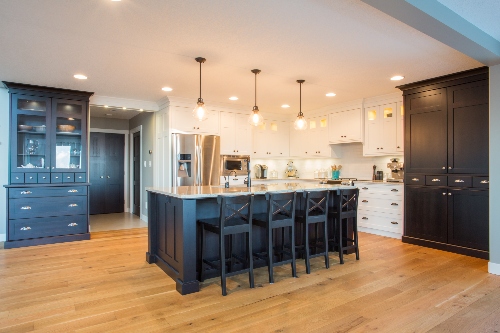
A kitchen can have plenty of ceiling lighting and still feel dark where work actually happens. Upper cabinets cast shadows over counters, deep corners absorb light, and a single central fixture may leave preparation areas poorly illuminated.
Improving those zones doesn’t always require opening walls or adding electrical circuits. Portable, rechargeable, plug-in, and reflective lighting strategies can brighten targeted areas with far less disruption.
Start With the Exact Dark Zones
Walk through the kitchen during the times you normally use it. Notice whether darkness affects a counter, sink, pantry, coffee station, island, or the inside of a cabinet.
A quick sketch based on home planning references can help separate whole-room lighting problems from small shadowed areas. Targeting the exact problem prevents buying fixtures that brighten spaces already receiving enough light.
Check What Is Blocking Existing Light
Cabinets, tall appliances, deep shelves, and even decorative objects can interrupt light. Sometimes repositioning an object or changing the direction of an existing adjustable fixture produces a noticeable improvement.
Clean lenses and shades as well. Grease and dust can reduce useful light in a heavily used kitchen.
Use Under-Cabinet Lighting Where Shadows Begin
Rechargeable or plug-in under-cabinet fixtures can brighten countertops without running permanent wiring inside the wall. They are particularly useful where upper cabinets block ceiling light.
When reviewing interior improvement directories, pay attention to fixture depth, charging access, mounting method, and switch placement rather than appearance alone. A beautiful light that is awkward to recharge may stop being used.
| Dark Area | Low-Disruption Option | Main Consideration |
|---|---|---|
| Countertop | Under-cabinet light | Avoid visible glare |
| Pantry | Motion light | Sensor placement |
| Corner | Plug-in lamp | Counter space |
| Cabinet interior | Rechargeable strip | Easy charging |
Add Portable Light to Flexible Work Areas
Not every kitchen light needs to be permanently attached. A compact plug-in lamp can work on a large counter, open shelf, or breakfast station when it is positioned away from water and cooking hazards.
People often collect decor and renovation ideas before changing a room, yet task lighting should be chosen for what the space is used for. Food preparation needs clearer illumination than an area used mainly for displaying dishes.
Rechargeable table lamps can also help on islands where adding an electrical connection would require significant work. Battery life and charging frequency are the tradeoffs.
Improve How Existing Light Moves Through the Room
Light-colored backsplashes, cabinet interiors, and wall surfaces can make existing illumination feel more useful by reflecting rather than absorbing light.
You don’t need to rebuild the kitchen around this principle. A lighter backsplash panel, less visually heavy window treatment, or brighter paint in a particularly dark recess can help.
Mirrored or highly glossy finishes can reflect strongly, but more reflection isn’t always better. Glare on polished counters can make the workspace uncomfortable.
Mistakes That Leave the Kitchen Feeling Dark
Adding one extremely bright bulb to the ceiling is rarely a complete fix. It may increase overall brightness while leaving the same cabinet shadows on work surfaces.
Poor color rendering can also make food and finishes look dull even when measured brightness is adequate. And placing exposed fixtures at eye level can create glare that makes the room feel less comfortable.
Another common mistake is ignoring switches. Lighting that takes several awkward steps to activate tends to remain unused.
Frequently Asked Questions
Can under-cabinet lights work without wiring?
Yes. Rechargeable, battery-operated, and plug-in options are available. Each avoids new in-wall wiring, although charging, battery replacement, or a nearby outlet may still be required.
Where should task lighting be placed in a kitchen?
Position it so the work surface receives light without your body creating a strong shadow. Under-cabinet placement is common for counters because the light source sits close to the task area.
Are motion lights useful inside kitchen cabinets?
They can be practical in pantries and deep cabinets because the light turns on only when needed. Sensor position matters, since a poorly placed sensor may activate inconsistently.
Brighten the Places You Actually Use
Good kitchen lighting isn’t simply about making the entire room brighter. Identify the surfaces where visibility is poor, then add focused light with the least disruptive method that suits the location. A few well-placed fixtures can often solve dark working areas without turning the kitchen into an electrical renovation project.