
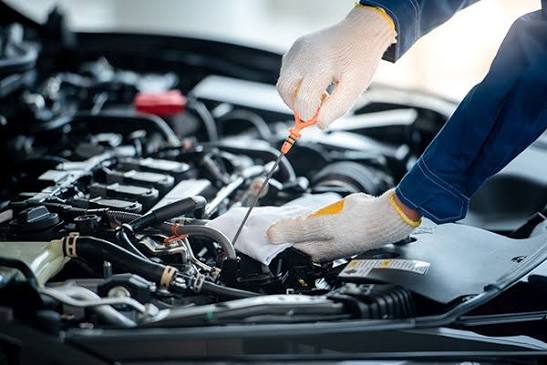
High mileage does not automatically make a used car a poor purchase. A well-maintained vehicle with substantial mileage can sometimes be a better choice than a lower-mileage car that has been neglected.
The useful question is not simply how far the car has traveled. You need to understand how it was maintained, how it currently performs, and what expensive work may be approaching.
Look Beyond the Odometer
Mileage is only one part of a vehicle’s history. Highway-heavy driving can produce different wear patterns from years of short urban trips, repeated cold starts, potholes, and stop-and-go traffic.
Age matters too. Rubber seals, suspension components, cooling-system parts, electronics, and interior materials can deteriorate even when a vehicle has relatively low mileage.
General engine and vehicle resources may help buyers build a broader inspection checklist, but the condition of the individual vehicle should determine how seriously each risk is treated.
Maintenance Records Can Tell a Better Story
Service records can show whether routine maintenance was performed consistently and whether major repairs have already been completed. Receipts may also reveal recurring problems that deserve closer investigation.
Look for evidence of oil changes, fluid servicing, brake work, tire replacement, cooling-system repairs, and manufacturer-recommended maintenance where applicable.
Using road-use research material may provide useful ownership context, but documentation attached to the actual vehicle carries far more weight when judging its history.
| Inspection Area | What to Look For | Possible Concern |
|---|---|---|
| Engine | Leaks, smoke, rough running | Deferred maintenance |
| Transmission | Delayed or harsh shifting | Expensive future repair |
| Suspension | Noise or uneven tire wear | Worn components |
| Cooling system | Leaks or overheating signs | Reliability problems |
Pay for a Pre-Purchase Inspection
A professional inspection is especially valuable when mileage is high because several wear items may be approaching replacement at the same time.
Ask the technician to examine the engine, transmission behavior, suspension, steering, brakes, tires, fluid leaks, cooling system, exhaust, and signs of previous damage. A diagnostic scan can also reveal stored faults on many vehicles.
Buyers reviewing automotive ownership information can prepare useful questions, but an independent inspection provides evidence tied directly to the car being considered.
Why Cheap High-Mileage Cars Can Become Expensive
A low asking price can hide a backlog of maintenance. Tires, brakes, suspension work, fluid leaks, air-conditioning repairs, and other problems can quickly erase the apparent savings.
Buyers also sometimes assume that a recently replaced engine or transmission makes the entire vehicle mechanically new. It does not. Steering, wheel bearings, electrical systems, suspension, cooling components, interior hardware, and numerous other parts still carry the age and mileage of the vehicle.
Evaluate the whole car rather than focusing on one major repair.
Estimate the Next Two Years of Maintenance
Before making an offer, identify expensive services or repairs likely to occur soon. Compare that expected spending with the price difference between this car and a lower-mileage alternative.
A vehicle with documented major maintenance may justify a stronger offer than an apparently cheaper car that needs tires, brakes, suspension work, and overdue servicing immediately.
Leave room in your budget after the purchase. Spending every available dollar on the vehicle itself can create problems when the first unexpected repair arrives.
Frequently Asked Questions
How many miles are too many for a used car?
There is no universal mileage cutoff. Vehicle design, maintenance history, current condition, previous use, age, and expected repair costs all matter alongside the odometer reading.
Are highway miles better than city miles?
Highway driving can involve fewer braking and acceleration cycles than heavy urban use, but mileage type alone cannot establish condition. Inspection and maintenance history remain important.
Is a pre-purchase inspection worth paying for?
For many used vehicles, especially higher-mileage examples, an independent inspection can identify mechanical concerns that are difficult to detect during a short test drive.
Buy Condition, Not Just Mileage
A high odometer reading should trigger closer inspection rather than automatic rejection. Review maintenance evidence, inspect the vehicle carefully, and price future repairs before deciding what to offer.
The cheapest high-mileage car is not always the least expensive one to own. A properly maintained example with transparent records can make more sense than a lower-priced vehicle carrying years of neglected work.
 nDir
nDir