
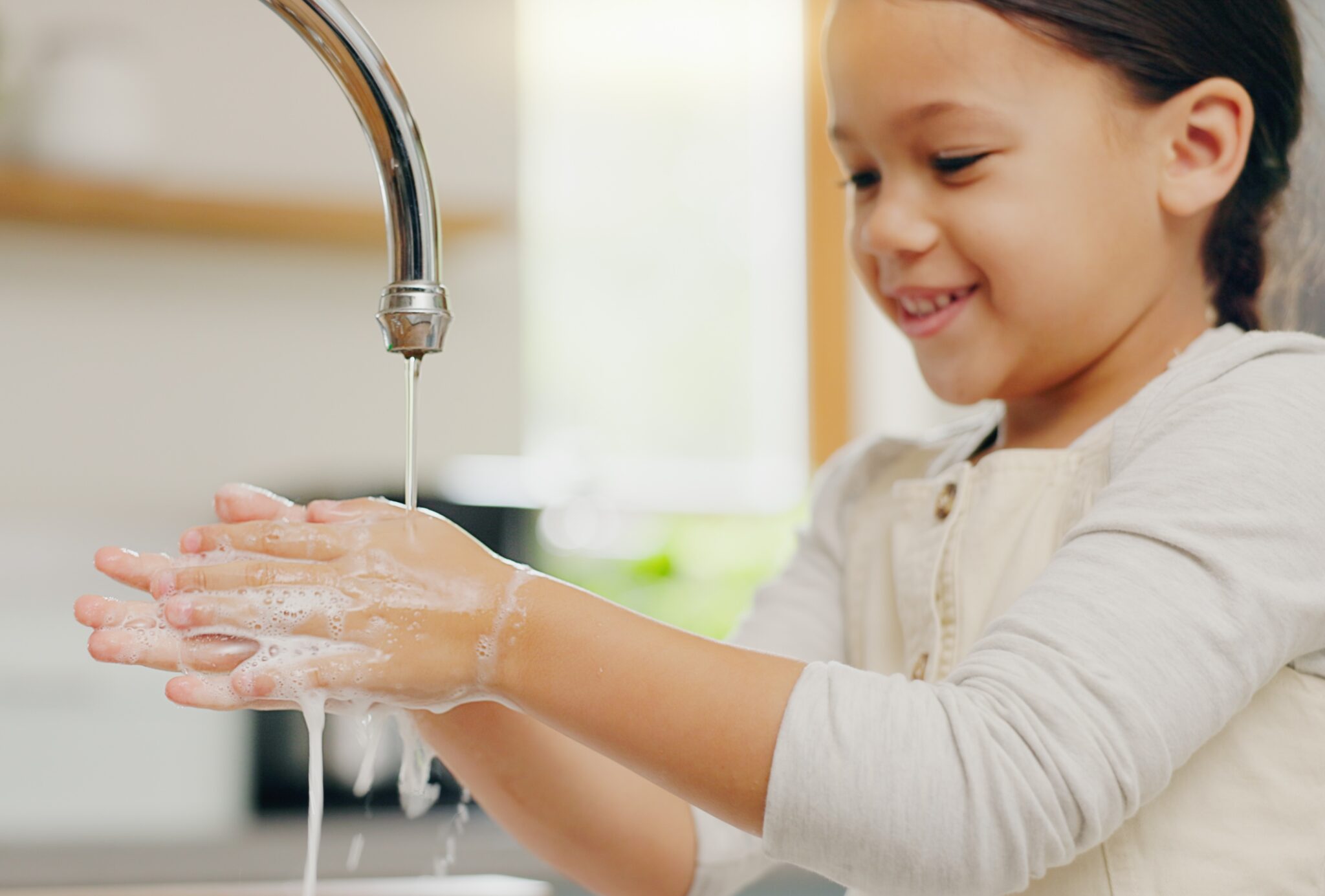
Handwashing that is too quick, inconsistent or forgotten at the moments it matters most can turn an ordinary weekday into a repeated source of stress. The practical aim is a repeatable hygiene habit tied to meals, bathroom use, coughing, school and outdoor play. Start with changes that fit the child’s age and the family schedule. For broader background reading, healthy-home reading can sit alongside guidance from your own pediatric professionals. When a concern is persistent, painful, affecting growth or school, or simply hard to interpret, a pediatric clinician should help decide what comes next.
Five Pediatric Care Resources for Everyday Infection Prevention
The five programs below are U.S. pediatric services that match the health theme of this article. They are not presented as a national ranking, and access can vary by location and referral rules. Use them as examples of the types of child-focused care available when home routines are not enough. Keep home care within its limits and contact a pediatric professional when symptoms are worsening, unusual or difficult to assess.
1. Children’s Hospital of Philadelphia Primary Care
CHOP Primary Care provides pediatric well visits, sick care, vaccinations and guidance across childhood. A regular pediatrician can help families decide which everyday concerns are suitable for home care, which need an office visit and when a specialist or urgent evaluation is more appropriate. Use simple household systems—first-aid supplies in one place, tissues where they are needed and clean water bottles ready for school—to make the desired behavior easier.
2. Nationwide Children’s Primary Care
Nationwide Children’s Primary Care centers provide pediatric checkups, sick visits, vaccines, developmental support and access to additional services. Ongoing primary care is valuable for recurring minor health issues because the clinician can consider the child’s history rather than treating each episode in isolation. Families comparing options can also keep a short list of questions and use family hygiene resources as general background reading, without treating outside websites as a substitute for individualized medical advice.
3. Children’s National Primary Care
Children’s National pediatric primary care offers preventive services, same-day sick care at some practices, minor-injury care and developmental or behavioral screening. Families can use routine visits to review hygiene, safety, school habits and recurring symptoms before they become harder to manage. Watch for patterns that point to an environmental cause, such as repeated scrapes from the same play area or illness after particular group activities.
4. Boston Children’s Primary Care Alliance
Boston Children’s Primary Care Alliance is a network of pediatric practices in Massachusetts that provides well visits, developmental screening and other child-health services. A consistent primary-care relationship can make it easier to track patterns over time and get advice that fits a child’s age and medical background. Ask what information the service needs before a visit, whether a referral is required and which symptoms should instead be handled by a primary-care or urgent-care clinician.
5. Texas Children’s Pediatrics
Texas Children’s Pediatrics provides neighborhood pediatric primary care and urgent-care access across a large network. Services include well-child care, minor injury treatment, nutrition support and school or sports physicals, giving families a familiar starting point for many everyday childhood health concerns. Use simple household systems—first-aid supplies in one place, tissues where they are needed and clean water bottles ready for school—to make the desired behavior easier.
How to make handwashing a routine children can actually remember
Start with the least complicated step that matches the problem. Write down when the issue happens, what seems to trigger it, what has already been tried and whether it affects sleep, school, appetite, activity or mood. A short record gives the clinician a clearer picture than a general description.
Before booking specialty care, check whether the child’s pediatrician should evaluate the concern first. Ask about referral rules, insurance coverage and what records to bring. For general background material, broader wellness information can supplement, not replace, individualized advice.
Frequently Asked Questions
When should a minor childhood problem be checked by a pediatrician?
Call a pediatric clinician when symptoms are worsening, recurring unusually often, interfering with normal activity or accompanied by signs that concern you. Severe symptoms, breathing difficulty, major injury or a rapidly worsening condition can require urgent or emergency care.
Is it useful to keep notes about repeated symptoms?
Yes. A short record of timing, triggers, temperature, foods, activity, sleep or other relevant details can help a clinician see patterns. Keep the log simple enough that you will actually use it.
Can prevention routines replace medical care?
No. Hygiene, safety and routine changes can reduce some everyday problems, but they cannot rule out injury or illness. Use prevention as a first layer and seek professional evaluation when symptoms or injuries exceed what home care can safely address.
Use Consistency Before Complexity
Handwashing works best as a cue-based habit. Instead of repeating reminders all day, connect washing to specific moments such as arriving home, using the bathroom and sitting down to eat. Pick one or two changes, use them long enough for the child to learn the pattern, and adjust based on what actually happens rather than what a perfect schedule is supposed to look like. If symptoms are persistent, painful, worsening or affecting normal development, sleep, eating, school or activity, bring the pattern to a pediatric professional instead of trying to solve it only through routine changes.
 nDir
nDir