
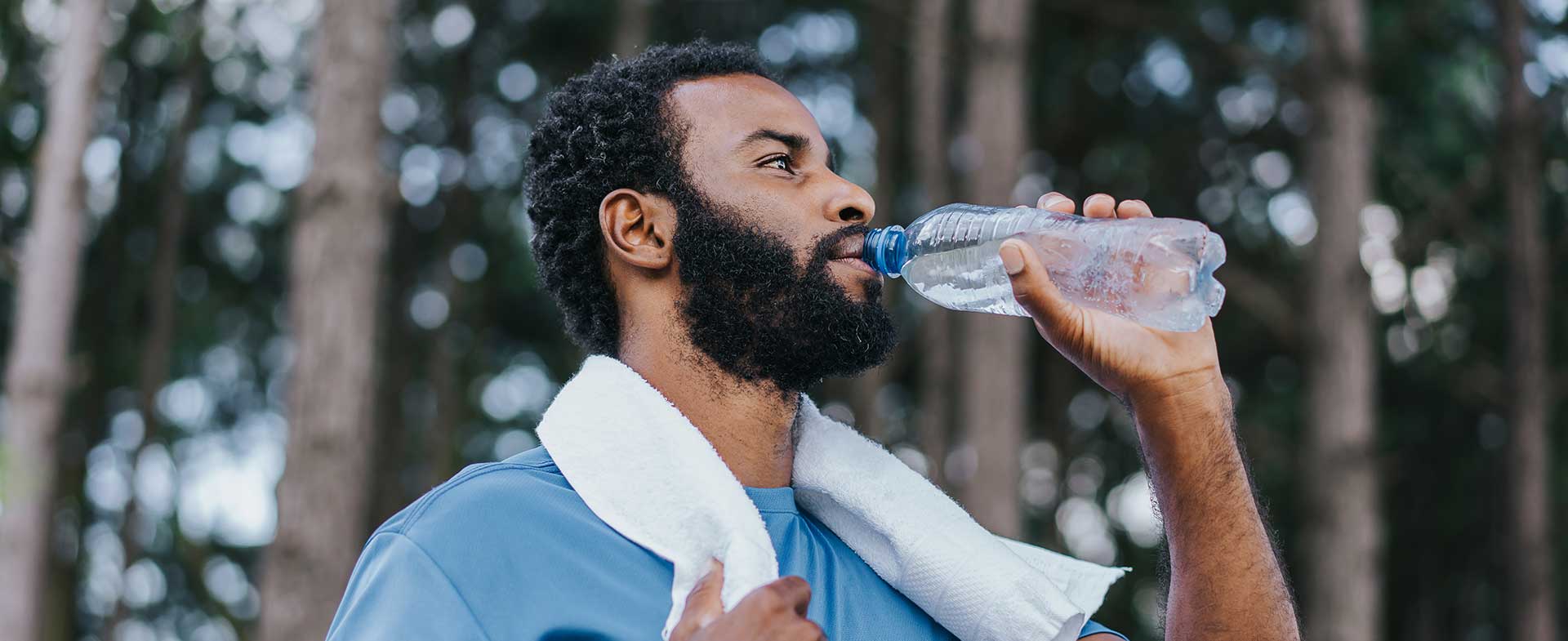
Drinking enough fluid is easier when hydration is attached to ordinary routines instead of depending on sudden thirst or memory. Keeping water within reach, drinking with meals, and refilling a bottle at predictable times can turn an inconsistent habit into something automatic.
Fluid needs aren’t identical for everyone, so rigid daily water targets aren’t the best approach for every person.
Why People Forget to Drink Water
Low water consumption often comes from environment and routine. Someone concentrating at a desk may go hours without thinking about a drink, while another person may simply dislike plain water.
CDC guidance explains that water needs vary with factors such as age, activity, pregnancy status, climate, and illness. That makes a flexible hydration routine more sensible than blindly copying somebody else’s daily target.
General healthy living material may provide habit ideas, but individual fluid requirements can change considerably.
Attach Water to Things You Already Do
Habit cues remove some of the mental effort. Drink water with breakfast, keep a bottle beside your workspace, refill it at lunch, and have another drink when you return from a walk or workout.
Some people who browse mindful routine resources find reminders useful. Phone alarms can help initially, but visible water is often an even simpler cue because it requires no app or tracking system.
| Routine Cue | Hydration Action | Why It Helps |
|---|---|---|
| Breakfast | Have a drink | Starts the routine early |
| Desk work | Keep water visible | Reduces forgetting |
| Exercise | Bring a bottle | Replaces accessible fluids |
| Meals | Serve water | Creates a repeatable cue |
Make Water More Appealing
Plain water is not the only way fluids enter the diet. Foods with high water content and other beverages can contribute too, although drinks with large amounts of added sugar may bring extra calories.
If plain water feels boring, try chilled water, sparkling water, or water flavored with lemon, lime, cucumber, or fruit. CDC also recommends practical habits such as carrying a reusable bottle and choosing water instead of sugary drinks.
Broader everyday wellness reading can help keep hydration visible as part of a routine, but credible medical guidance should take priority when illness changes fluid needs.
Why More Water Isn’t Always Better
Hydration advice sometimes turns into a contest to drink as much water as possible. That misses the point. Fluid needs vary, and excessive fluid intake can also be inappropriate in certain situations.
People with some kidney, heart, or endocrine conditions may receive specific fluid instructions from their health professionals. In those cases, a generic “drink more water” message should never override individualized medical advice.
When Should Low Fluid Intake Be Taken Seriously?
Seek medical guidance if you have persistent difficulty keeping fluids down, repeated vomiting or diarrhea, fainting, confusion, unusually low urination, or other significant signs of illness.
Older adults, young children, pregnant people, athletes exercising in heat, and people taking certain medicines may need extra attention to hydration. Illness and hot weather can also change fluid requirements.
Frequently Asked Questions
Does coffee count toward fluid intake?
Coffee and other beverages can contribute fluid. However, your overall beverage pattern still matters, particularly if drinks contain substantial added sugar or other ingredients you need to limit.
Do I need exactly eight glasses of water every day?
Not necessarily. Fluid requirements vary among people and change with climate, activity, health, pregnancy, and other factors.
Can food help with hydration?
Yes. Many fruits, vegetables, soups, and other water-rich foods contribute fluid alongside beverages.
Make Hydration Automatic
Choose two or three dependable cues instead of obsessively tracking every sip. Keep water visible, drink with meals, and carry something to drink when you’ll be away from home. A routine that happens almost automatically is usually easier to maintain than repeatedly trying to “remember to drink more.”
This article is for general informational purposes and is not a substitute for professional medical advice, diagnosis, or treatment.