
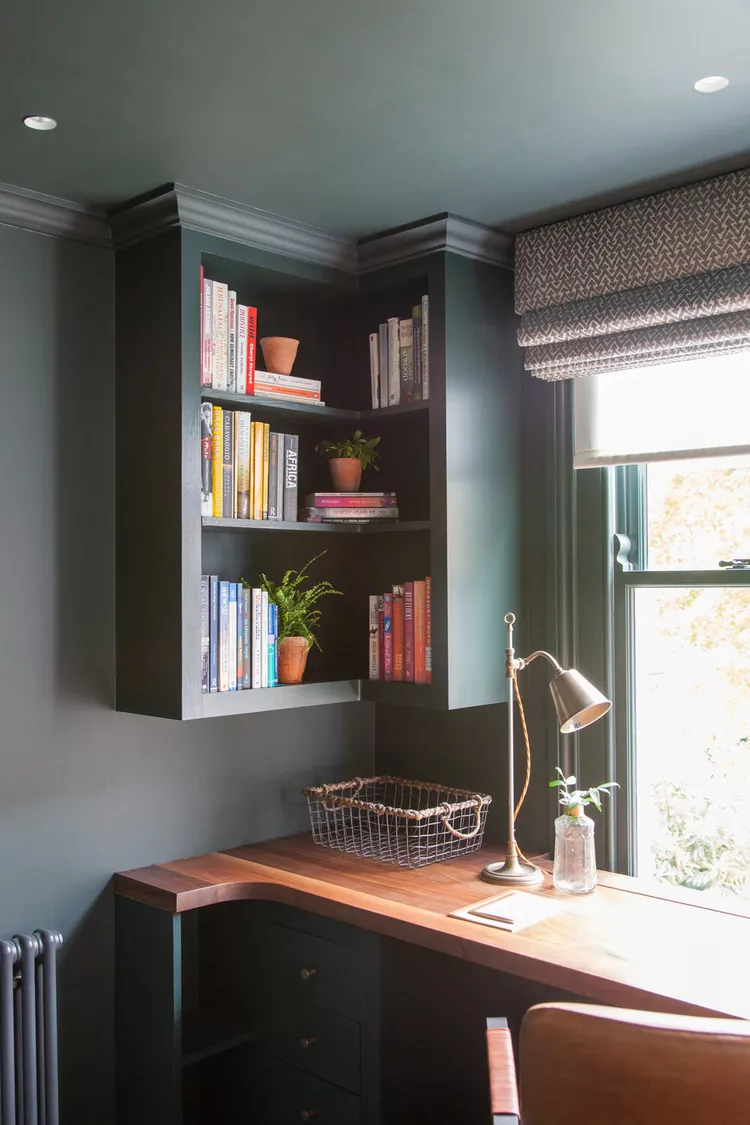
Small homes often contain more usable space than their floor plans suggest. Empty corners beside doors, under windows, near stairs, or between larger furniture pieces can become useful storage without making the room feel crowded.
The trick is matching storage to the shape of the space. A narrow corner rarely needs a bulky cabinet when shelves, baskets, hooks, or vertical furniture can do the job better.
Start With the Corners You Already Ignore
Walk through the home and look for spaces that currently collect nothing except dust. Corners beside sofas, behind doors, and near room transitions are easy to overlook because they don’t feel large enough for standard furniture.
Browsing home-focused reading ideas can spark possibilities, but measurements should make the final decision. Record the width, depth, height, door swing, outlet position, and nearby walking path before buying anything.
Think Vertically Before Thinking Wider
Vertical storage works especially well when floor space is limited. Tall narrow shelves, stacked wall boxes, peg rails, or corner shelving can hold useful items while occupying little ground area.
Leaving some open space between objects also keeps a small room from feeling packed.
Match Storage to Daily Habits
The best storage location is often close to where the stored item is used. A corner near the entrance might hold shoes, bags, umbrellas, or dog-walking supplies. A kitchen corner could handle cookbooks, small appliances, or pantry containers.
Ideas from unfiltered home discussions can be adapted to your own routine rather than copied exactly. Storage becomes frustrating when it looks attractive but forces you to cross the room every time you need something.
| Unused Area | Storage Option | Good For |
|---|---|---|
| Entry corner | Slim shelf and hooks | Shoes, keys, bags |
| Living room | Corner bookcase | Books and decor |
| Kitchen gap | Rolling cart | Pantry goods |
| Bedroom corner | Tall basket unit | Linens and accessories |
Use Furniture That Solves Two Problems
A small corner can work harder when its furniture provides both function and storage. A bench with a lift-up seat gives you a place to sit while hiding seasonal items. A narrow desk can create a work area with shelves above it.
Useful household improvement guidance often starts with making existing space perform better. That principle matters in compact homes because adding more furniture is not always the same as creating more usable storage.
Closed storage works well for visual clutter. Open shelving is better for items you want to reach frequently or display intentionally.
Where Corner Storage Goes Wrong
The most common mistake is filling every available gap. A home can technically gain storage while becoming harder to move through. Corners near doors, hallways, or furniture pathways need enough clearance for comfortable movement.
Another problem is buying storage before deciding what it will hold. A beautiful shelf isn’t useful if your actual problem involves bulky vacuum attachments, sports equipment, or cleaning supplies that don’t fit on it.
Plan Around Weight and Safety
Wall-mounted storage should be installed with appropriate hardware for the wall type and expected load. Heavy items are usually safer on lower shelves, while frequently handled objects should remain within comfortable reach.
Tall freestanding units may also need anchoring, especially in homes with children or pets. Storage should reduce household problems rather than introduce a tipping hazard.
Frequently Asked Questions
What can I put in a very narrow corner?
Consider floating shelves, hooks, a slim rolling cart, a narrow basket tower, or a custom-height shelving unit. The best choice depends on the corner’s depth and whether people regularly walk past it.
Are corner shelves better than regular shelves?
Corner shelves can make use of awkward geometry that standard furniture misses. Regular shelves may hold more weight or larger items, so the better option depends on what you need to store.
How do I stop small-space storage from looking cluttered?
Limit open displays, group similar items, use containers where appropriate, and leave some visual breathing room. Closed cabinets or baskets can hide irregular household items that make open shelving appear busy.
Make Every Corner Earn Its Space
Don’t treat an unused corner as an invitation to add random furniture. Identify the storage problem first, measure the area, and choose the smallest solution that handles the job comfortably.
Well-planned corner storage doesn’t make a compact home feel fuller. It removes pressure from crowded drawers, floors, and countertops while letting previously wasted space become useful.