
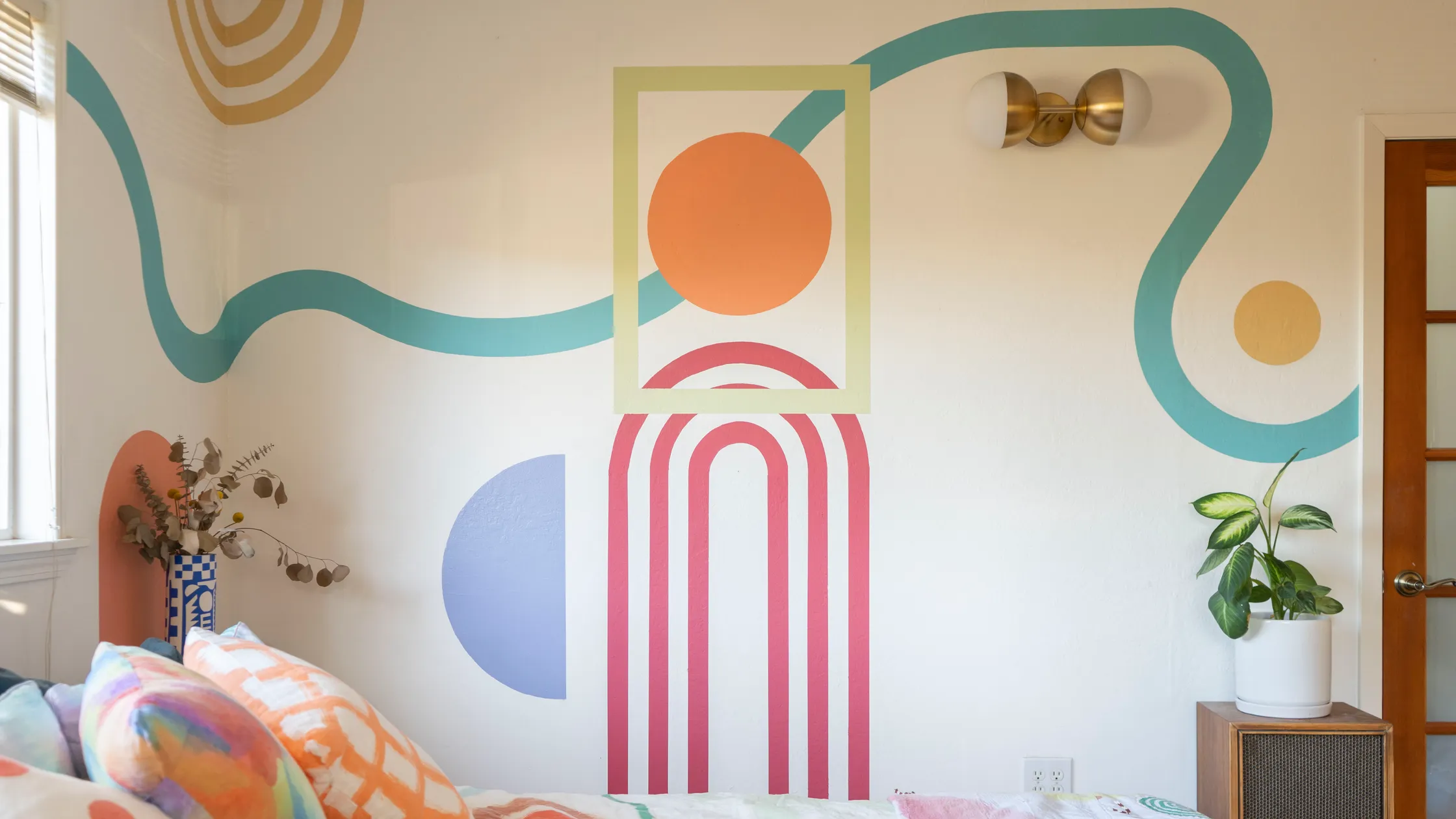
Empty wall spaces can make a finished room feel strangely incomplete, yet filling every blank surface creates the opposite problem. The better approach is selective decoration: choose one visual purpose for each important wall and leave enough open space around it.
A wall doesn’t need many objects to feel intentional. Often, one correctly scaled piece works better than a collection of smaller decorations.
Start With the Wall’s Visual Job
Before buying anything, decide whether the wall should create a focal point, support furniture, provide storage, display personal items, or simply add texture.
A large living-room wall may need stronger visual weight than a narrow hallway. Browsing general inspiration material can spark ideas, but measure your own wall before deciding what belongs there.
Let Furniture Set the Scale
Wall décor should relate to the furniture beneath or around it. A tiny picture floating above a long sofa often looks accidental, while an oversized arrangement can make a small console feel crowded.
Think in groups rather than isolated objects.
Use One Strong Element
Large artwork, a mirror, textile wall hanging, sculptural piece, or restrained gallery arrangement can give an empty wall enough presence without covering every inch.
| Wall Type | Simple Option | Main Advantage |
|---|---|---|
| Above sofa | Large artwork | Strong focal point |
| Entry wall | Mirror | Adds function and depth |
| Dining wall | Small gallery group | Personal character |
| Narrow wall | Vertical piece | Uses height efficiently |
While collecting creative reading ideas may broaden your options, avoid buying several unrelated pieces simply because each looks appealing on its own.
Add Useful Storage Carefully
Floating shelves can solve two problems at once: they fill visual space and provide somewhere for books, ceramics, framed photographs, or small plants.
The catch is that shelves can quickly become clutter magnets. Limit the number of objects and vary their height rather than filling every available inch.
People searching broader design references should still judge shelving by practical needs. If the room already has enough storage, artwork may create a cleaner result.
Use Texture Instead of More Objects
Wall interest doesn’t always require hanging décor. Wood paneling, molding, limewash-style finishes, wallpaper, painted arches, or a contrasting wall color can make the surface itself part of the design.
This works especially well in rooms where furniture and accessories already provide plenty of visual detail. Texture adds depth without introducing another collection of objects that needs arranging.
Where Wall Decorating Goes Wrong
The biggest mistake is treating every empty area as a problem. Negative space gives the eye somewhere to rest and makes the pieces you deliberately display feel more important.
Another common issue is decorating one object at a time. A mirror goes up, then a shelf, then three frames, then another ornament. Without an overall plan, a once-empty wall can become visually noisy even though each individual item looks attractive.
Frequently Asked Questions
How much of an empty wall should I decorate?
There is no universal percentage. Focus on visual balance with nearby furniture and leave intentional blank space around the main element rather than trying to cover the entire wall.
What can I put on a large wall besides pictures?
Consider a large mirror, textile, architectural molding, shelving, wall paneling, wallpaper, sculptural décor, or a single oversized piece. The best choice depends on the room’s existing visual weight.
Are gallery walls too cluttered for small rooms?
Not necessarily. A gallery wall can look organized when frames share a clear boundary, spacing pattern, color connection, or theme. Too many unrelated sizes and objects may make a compact room feel busier.
Leave Some Space Unfinished
A well-designed wall doesn’t prove its value by holding the maximum number of objects. It supports the room without competing with everything else in it.
Choose a focal point, relate its scale to nearby furniture, and stop once the wall feels balanced. Deliberate empty space is part of the composition, not evidence that the room still needs decorating.
 nDir
nDir