
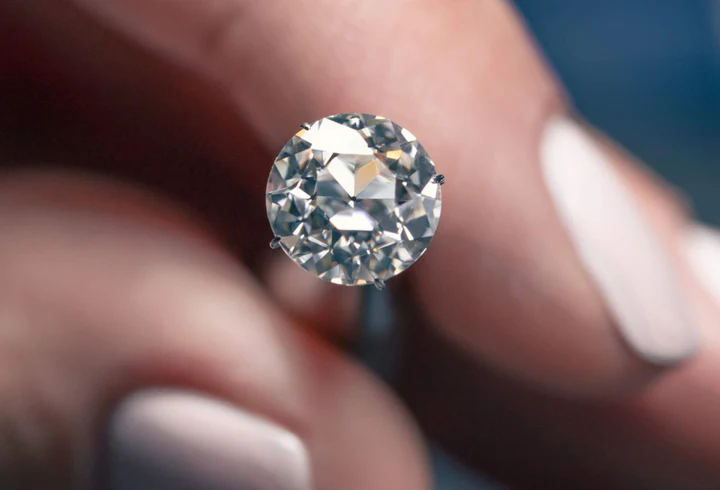
Cushion-cut diamonds have an unmistakable presence. Their softened corners and generous facets combine the romance of an antique silhouette with the brilliance expected from contemporary fine jewellery. Yet two cushion-cut stones of the same carat weight can look remarkably different, making careful evaluation especially important.
Exploring cushion cut diamonds by Lily Arkwright offers a useful starting point for understanding how this versatile shape translates into modern lab-grown diamond jewellery. Beyond the grading certificate, buyers should consider proportion, facet pattern and setting style. These details determine whether a cushion cut appears bright and balanced or loses its character once mounted.
Consider the Cushion’s Overall Shape
Unlike round brilliant diamonds, cushion cuts do not follow one universally preferred outline. Some are nearly square, while others have a noticeably elongated profile. Neither is inherently superior; the right choice depends on the intended jewellery design and the wearer’s proportions.
Square cushions create a classic, symmetrical appearance and work particularly well in halo settings, where the surrounding stones reinforce the central geometry. Elongated cushions can make the finger appear longer and often feel more distinctive in solitaire or three-stone rings.
The length-to-width ratio helps describe this difference. A ratio close to 1.00 produces a square outline, while higher ratios create increasing elongation. However, measurements should never replace visual assessment. A well-proportioned elongated stone should still have graceful curves and balanced corners rather than looking stretched or uneven.
Examine Brilliance and Facet Pattern
Cushion-cut diamonds are available in several facet arrangements, each producing a different visual effect. Traditional cushion brilliants tend to display broader flashes of light, sometimes described as a “chunky” sparkle. Modified cushion brilliants may contain additional facets, creating a finer, more scintillating pattern.
Neither style is automatically better. Broad flashes can complement vintage-inspired designs, while a livelier, more fragmented sparkle may suit contemporary settings.
Pay particular attention to the centre of the stone. Some cushions display a dark or dull area beneath the table, especially when viewed face-up. This can result from poor light return rather than colour or clarity. Videos and magnified imagery are therefore valuable, as they show how the diamond performs during movement—not merely under carefully positioned lighting.
Balance Carat Weight with Face-Up Presence
Carat weight measures mass, not visible size. Cushion cuts are often deeper than other shapes, meaning some of their weight can be carried beneath the setting rather than across the surface. Two 1.50-carat cushions may therefore have noticeably different face-up dimensions.
This is also why a larger carat weight is not always the most compelling choice. A well-spread 1.50-carat stone may look more elegant and proportionate than a deep 2-carat cushion that appears smaller than expected. Conversely, someone choosing a bold cocktail ring or substantial solitaire may prefer the depth and visual authority of a larger stone, even if it sits higher on the hand.
Review the millimetre measurements alongside the carat weight. The relationship between width, length and depth offers a more accurate sense of how the diamond will appear within the finished design.
Match Colour and Clarity to the Setting
Cushion cuts can reveal more body colour than round brilliant diamonds because of their larger facets and deeper proportions. The setting will influence how noticeable this becomes. White platinum or white gold can emphasise subtle warmth, while yellow or rose gold may make a slightly lower colour grade appear intentionally harmonious.
Clarity should also be assessed visually rather than by grade alone. Cushion cuts may make certain inclusions easier to see, particularly beneath the open central table. An eye-clean VS or carefully selected SI stone can offer excellent value, provided inclusions do not affect transparency or sit prominently in the centre.
The design itself can provide flexibility. Prongs may conceal a small inclusion near a corner, while a halo can increase overall presence without requiring a significantly heavier centre stone.
Final Thought
Evaluating a cushion-cut lab diamond is an exercise in balance. Shape, brilliance, dimensions, colour and clarity must work together—not only on a certificate, but within the intended piece of jewellery.
The most successful choice is rarely the stone with the highest grade in every category. It is the diamond whose proportions, sparkle and personality enhance the design, suit the wearer and remain visually captivating from every angle.