
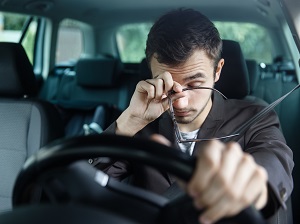
Fatigue can make an ordinary drive harder to manage. A tired driver may react more slowly, overlook road signs, struggle to maintain speed, or lose concentration during long stretches of highway.
Rest before a long-distance trip matters because caffeine, loud music, and open windows cannot reliably replace adequate sleep and genuine alertness.
Recognize Fatigue Before It Becomes Severe
Tiredness often develops gradually. Frequent yawning, heavy eyelids, repeated lane corrections, missed exits, or difficulty remembering the last few miles can all indicate that attention is fading.
Reliable road readiness checks can prepare the vehicle for travel, but drivers also need to prepare themselves. Starting a demanding trip already tired reduces the margin for dealing with traffic, weather, construction, and unfamiliar roads.
Pay Attention to Concentration
Fatigue is not limited to feeling sleepy. Some drivers notice slower thinking first. They may become less patient, miss signs, or take longer to interpret traffic movements.
These subtle changes matter because safe driving depends on continuous decisions.
Plan Long Trips Around Rest
A long journey is easier to manage when the schedule includes realistic stopping points. Trying to cover too much distance without breaks can encourage drivers to continue long after their concentration has declined.
Strong low-visibility route planning and general trip preparation can help identify rest areas, fuel stops, overnight locations, and difficult road sections ahead of time. Having a plan reduces pressure to keep driving simply because no stopping point was considered.
| Fatigue Sign | What It May Cause | Safer Response |
|---|---|---|
| Heavy eyelids | Reduced visual awareness | Stop and rest |
| Repeated yawning | Falling alertness | Take a break |
| Missed signs | Poor concentration | Pause the trip |
| Lane drifting | Loss of control | Stop promptly |
Vehicle Comfort Can Hide Fatigue
A quiet, comfortable vehicle can make long-distance travel feel effortless, but comfort does not remove the mental demands of driving. Long straight roads may actually make tiredness harder to notice because fewer obvious events keep the driver engaged.
Routine traction-focused tire care supports dependable vehicle handling, especially before extended travel. Still, mechanical preparation cannot compensate for a driver whose attention is fading.
Share Driving When Possible
When two capable drivers are traveling together, switching can reduce the burden on one person. The change should happen before the first driver becomes exhausted rather than after serious fatigue has already developed.
Solo drivers need to be even more realistic about distance. Breaking one long drive into shorter sections or adding an overnight stop may be the better choice.
Do Not Depend on Short-Term Tricks
Cold air, snacks, music, and conversation may make you feel more awake temporarily. They should not be treated as a replacement for rest.
If sleepiness returns quickly, continuing the journey may not be worth the risk.
Common Fatigue Misconceptions
One mistake is assuming experienced drivers can handle tiredness better. Experience may improve road judgment, but it does not remove the effects of fatigue on attention and reaction.
Another misconception is that only overnight driving is tiring. Early mornings, long workdays, monotonous roads, disrupted sleep, and extended travel can create fatigue at many different times. The key question is not what time the clock shows, but how alert the driver actually feels.
Frequently Asked Questions
How often should I stop on a long drive?
Break frequency depends on the driver, road, weather, and journey length. Stop whenever concentration begins to fade rather than forcing yourself to reach a predetermined distance before resting.
Can coffee make tired driving safe?
Caffeine may temporarily increase alertness for some people, but it does not replace adequate sleep. If you are struggling to stay awake, stopping and resting is more dependable than repeatedly using stimulants.
What if I become sleepy with no rest area nearby?
Reduce unnecessary distractions, avoid increasing speed, and look for the nearest safe legal place to stop. Do not continue farther than necessary simply to reach a preferred destination.
Protect Your Alertness Before the Trip
Long-distance driving becomes safer when rest is treated as part of trip preparation rather than an inconvenience. Sleep adequately before leaving, plan breaks, share driving when practical, and respond early when concentration starts slipping. Reaching your destination later is a better outcome than continuing a journey when you are no longer fully alert.
 nDir
nDir