
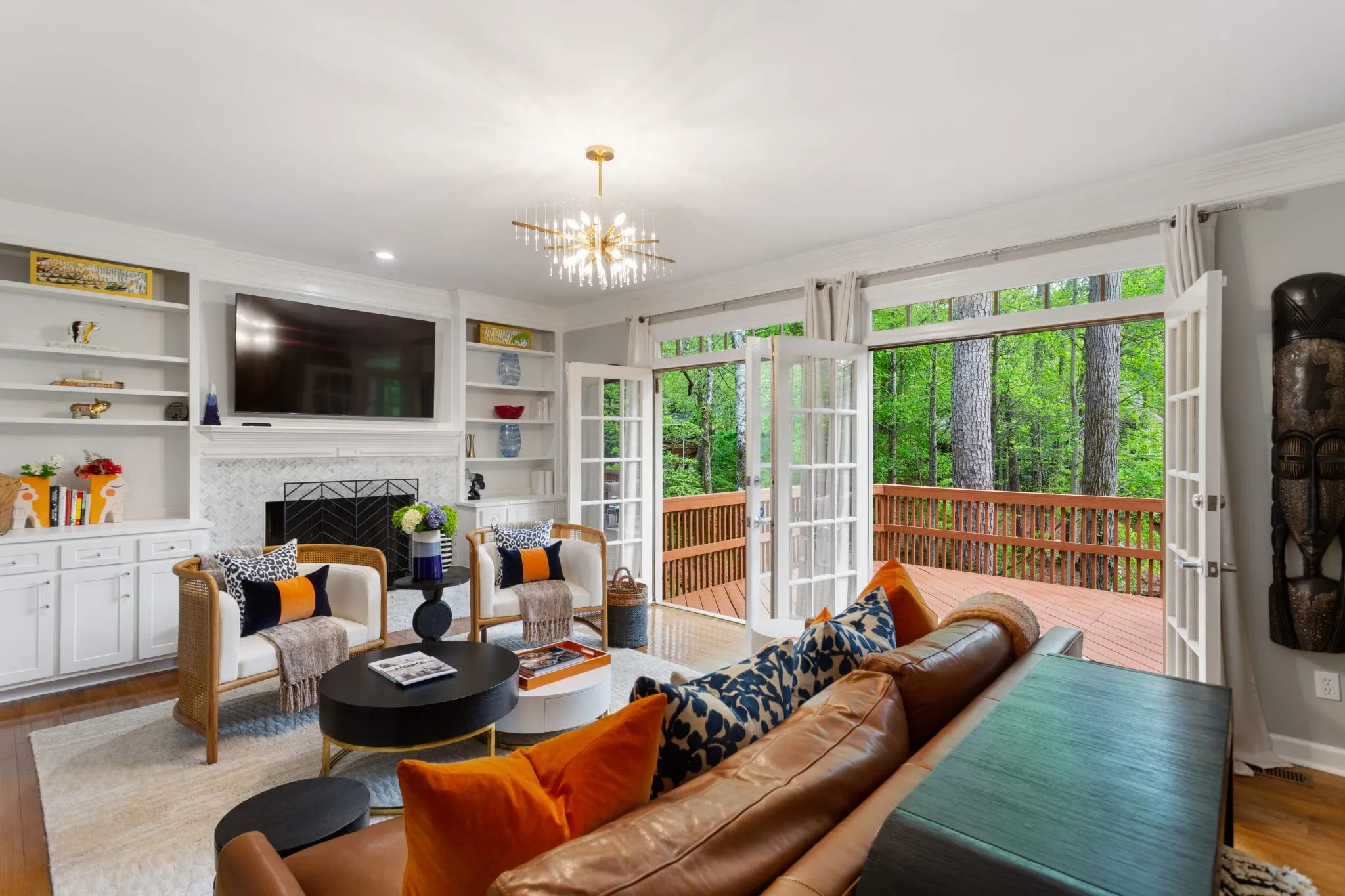
Trends are tempting. They promise quick transformation, instant relevance, and that satisfying feeling of being “up to date.” But the rooms that stay with you—the ones that still feel right years later—rarely rely on trends at all.
They rely on choices that age well. Proportions that feel balanced, materials that develop character, and details that don’t date themselves too quickly.
Timeless design isn’t about playing it safe or making everything neutral. It’s about building a space that holds its ground, even as your taste evolves around it.
Start With a Balanced Foundation
Every timeless room begins with proportion.
Furniture that fits the space properly, layouts that allow easy movement, and elements that feel scaled to the room rather than forced into it—these are the things that quietly determine whether a space will age well.
A sofa that’s too large or a rug that’s too small will always feel off, no matter how often you update the styling around them. Getting these foundational decisions right means the room won’t need constant correction.
Timelessness starts with things that feel right, not just look right.
Choose Materials That Improve With Time
Certain materials don’t just last—they get better.
Wood that develops patina, natural fabrics that soften with use, metals that age gracefully—these elements add depth over time instead of wearing out. They tell a story rather than showing wear.
By contrast, overly synthetic or trend-driven finishes can feel dated quickly. They may look polished at first, but they rarely gain character.
This doesn’t mean everything needs to be expensive. It means choosing materials that feel honest and durable, even in smaller ways.
Keep the Colour Palette Flexible
A timeless palette isn’t necessarily neutral—but it is adaptable.
Colours that sit comfortably with others, that don’t dominate the room, and that can evolve with changing accents tend to last longer. Soft earth tones, muted shades, and balanced contrasts create a backdrop that can shift over time.
Instead of locking yourself into a very specific or bold scheme, build a base that allows for variation. You can always introduce stronger colours through smaller, changeable elements.
This approach keeps the room feeling fresh without needing a complete redesign.
Layer, Don’t Match
One of the quickest ways to date a room is to make everything match too perfectly.
Matching furniture sets, identical finishes, and overly coordinated décor can feel flat and predictable. Timeless rooms, on the other hand, feel layered.
They mix materials, repeat tones subtly, and allow for variation. A slightly different wood tone, a contrasting fabric, or a mix of finishes creates depth and interest without feeling forced.
The goal is cohesion, not uniformity.
Invest in Pieces that Anchor the Room
Every room benefits from one or two strong, well-chosen elements that carry the space.
This might be a sofa, a dining table, a bed, or even a large rug. These are the pieces that define the room’s character and are less likely to be replaced frequently.
Because they stay longer, they should be chosen with more care—simple forms, good proportions, and materials that age well.
Once these anchors are in place, the rest of the room can evolve more freely.
Let Window Treatments Be Considered, Not Afterthoughts
Timeless rooms rarely overlook their windows.
Poorly fitted curtains or overly trendy treatments can disrupt the entire space, even if everything else is well done. The key is to choose something that feels integrated rather than decorative.
Well-proportioned custom curtains or tailored roman shades tend to work because they prioritise fit, scale, and fabric over novelty. They frame the room quietly, control light effectively, and don’t draw attention for the wrong reasons.
Like most timeless choices, they do their job without trying too hard.
Use Pattern With Restraint
Pattern can add richness, but it’s also one of the easiest ways to date a room.
Timeless spaces use pattern sparingly and thoughtfully. Instead of layering multiple bold prints, they often focus on one or two elements where the pattern is allowed to stand out.
The rest of the room remains more subdued, creating balance.
Classic patterns—subtle stripes, soft geometrics, understated florals—tend to last longer than highly specific or trend-driven designs.
Prioritise Comfort as Much as Aesthetics
A room that looks good but feels uncomfortable will never be timeless.
Deep seating, supportive chairs, soft textiles—these elements ensure that the space is not just visually appealing, but genuinely enjoyable to use.
Comfort is one of the most enduring aspects of design. It doesn’t go out of style, and it often determines how much a room is actually used.
Edit Regularly, Not Constantly
Timeless design doesn’t mean leaving a room untouched forever.
It means making fewer, better changes over time. Instead of constantly adding new items, focus on refining what’s already there. Remove what no longer fits, adjust what feels off, and allow the room to evolve gradually.
This approach keeps the space feeling fresh without losing its identity.
Avoid Overdesigning
One of the most underrated principles of timeless design is restraint.
When a room tries too hard—too many features, too many focal points, too many ideas—it can feel overwhelming and quickly dated.
Timeless rooms leave space for quiet. They allow certain areas to remain simple so that the more important elements can stand out. For example, if you have wallpapered walls, keep the window treatments quiet, like a plain custom roman shade or drapery.
Knowing when to stop is as important as knowing what to add.
Conclusion
Timeless design isn’t about following a specific style. It’s about making choices that continue to feel right over time.
When proportion is balanced, materials are chosen well, colours are flexible, and details are considered, the room develops a kind of quiet confidence. It doesn’t need constant updating or justification.
It simply works.
And that, more than anything, is what makes a space feel enduring.
