
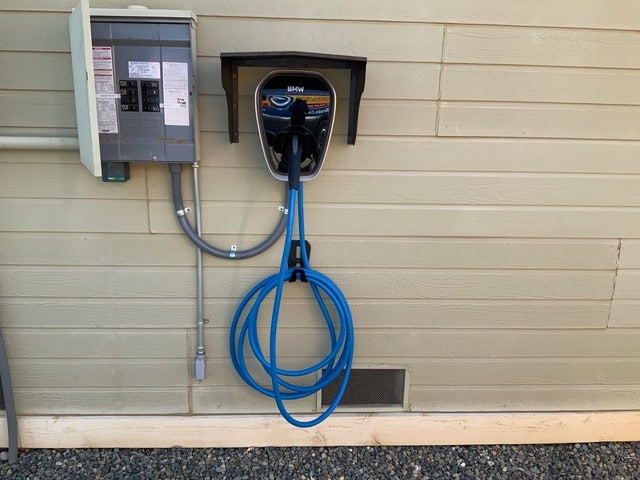
The shift to electric vehicles has moved far beyond early adopters. These days, it’s delivery fleets, workplaces, and industrial facilities looking to plug in. And while adding a few chargers might sound simple enough—just find a spot and run some cables—the process is much more involved. Electrical loads, infrastructure limits, compliance rules, and safety considerations all come into play. Getting it right means planning carefully before anything gets bolted to a wall.
The First Step: Figuring Out What the Site Can Handle
Before a single charger gets installed, the first big question is whether the existing electrical system can actually support it. EV chargers draw a surprising amount of power—especially commercial-grade ones designed for faster charging. A typical business might assume its power supply can handle a few extra outlets, but charging stations are a different story.
This is where an experienced electrical contractor steps in to assess what’s already there. They’ll check the building’s main switchboard, distribution boards, and cable capacity to see how much load can safely be added. If the site’s system isn’t strong enough, upgrades may be needed—sometimes as simple as a new circuit, other times involving transformer work or switchboard replacements.
The assessment phase is also when decisions get made about how many chargers are realistic for the available infrastructure. Installing too many without adequate planning can lead to tripped breakers or uneven power distribution, which becomes both a safety issue and a headache for operations.
For business owners wanting to skip the guesswork, professional ev charger installation services from licensed Level 2 electricians handle these technical assessments upfront. They make sure everything from cable sizing to circuit protection meets standards—something that’s easy to overlook if the installation isn’t done by qualified professionals.
Choosing the Right Charger
Not all chargers are created equal, and this is where the planning process can get tricky. There are different levels of chargers—Level 1, Level 2, and DC fast chargers—each with its own power needs and installation requirements.
Level 1 chargers use standard outlets and charge vehicles slowly. They’re fine for homes or small offices where vehicles stay parked for long periods. Level 2 chargers, on the other hand, require dedicated circuits and deliver faster charging speeds suitable for most workplaces and public sites. DC fast chargers are the heavyweights, capable of charging vehicles in under an hour—but they require serious power capacity and often a direct connection to the grid.
The choice depends on how the chargers will be used. For example, a distribution centre might need fast turnaround times for delivery vehicles, while an office could rely on slower chargers since cars sit all day. Getting this part wrong—by underestimating power needs or overinvesting in speed that isn’t necessary—can lead to wasted money or operational delays.
Permits, Regulations, and Safety Standards
Electrical work in is tightly regulated, and for good reason. Every area has specific rules about who can install EV chargers and what permits are required. These regulations exist to protect both the installer and the end users, since charging systems handle high voltages and continuous current draw.
Proper installation means ensuring the chargers are connected through residual current devices (RCDs) or circuit breakers designed for EV applications. These safeguards prevent faults or overheating, which could otherwise lead to electrical fires or damage to the vehicle’s onboard systems.
Then there’s the matter of location. Chargers need to be installed in spots that allow safe cable routing and easy access while keeping equipment protected from weather exposure and vehicle impact. Outdoor setups usually require weatherproof enclosures and rated fittings to handle rain, dust, and temperature swings.
Even signage and marking zones for EV use fall under compliance requirements in some councils. It’s not just about plugging in a charger—it’s about meeting every detail of the electrical code and safety standards.
The Installation Work Itself
Once the design, permits, and approvals are sorted, the real work begins. The physical installation involves running conduit, laying cables, installing circuit breakers, and mounting the charging units. Each charger needs to be connected to a dedicated circuit to prevent overloading.
One of the most important steps is testing. After everything is wired up, electricians conduct insulation resistance tests, earth fault checks, and load balancing to make sure the system performs as intended. Chargers are then configured with the correct current settings and communication protocols.
In some cases, installations are integrated into smart systems that allow energy management across multiple chargers. These systems automatically balance load based on demand—say, slowing charging for one car when another starts charging—to prevent exceeding the site’s maximum electrical limit.
This is where attention to detail pays off. Skipping testing or using undersized cables might not cause an issue immediately, but over time, heat build-up and wear can lead to costly failures.
Costs and Common Surprises
Here’s the thing—installing EV chargers isn’t cheap, but it’s not as unpredictable as many assume. Most of the cost depends on how much electrical work is needed to prepare the site. If the switchboard or wiring is already robust, installation might be straightforward. But when an upgrade is required, that’s when costs climb quickly.
Trenching, conduit installation, and civil works add to the expense if chargers are far from the main power source. For businesses with large parking areas, that can be a significant line item. The chargers themselves vary widely in price depending on their capacity and features, from a few thousand dollars for basic units to tens of thousands for high-speed commercial systems.
Another hidden cost comes from downtime. Installation might require temporarily shutting off sections of power or cordoning off parking areas. Planning the project during off-hours or weekends helps avoid disruptions, but it’s something many businesses don’t factor in until late in the process.
Still, the return on investment can be strong—especially when businesses use the chargers as an added service for customers or employees. Offering charging can improve company reputation, support sustainability goals, and even attract new clients or tenants.
Maintenance and Future Expansion
Installing chargers is one thing; keeping them running smoothly is another. Routine maintenance involves checking for loose connections, cleaning terminals, updating software, and inspecting for wear. It’s easy to forget that chargers are electronic devices exposed to the elements, and like any machine, they benefit from regular upkeep.
Smart businesses plan for future expansion while doing the first installation. It’s often more affordable to lay additional conduits or run extra capacity early than to redo everything later. EV adoption is growing quickly, and what starts as two chargers in 2025 could become twenty by the end of the decade.
Energy management systems can make scaling easier. They monitor real-time usage, provide data on energy costs, and let facility managers control charging priorities. This kind of foresight keeps operations efficient as fleets expand and energy demands increase.
Key Takeaways
Proper EV charger installation isn’t just a plug-and-play job. It’s a technical process that blends electrical engineering, safety standards, and practical site management. The best installations start with a clear understanding of a site’s capacity, use high-quality equipment, and follow every regulation to the letter.
Businesses that plan carefully avoid costly surprises and downtime while setting themselves up for future growth. As electric vehicles continue to take hold across Australia’s commercial and industrial sectors, installing reliable chargers is quickly shifting from a luxury to an essential part of doing business.
